


The Mumbai Monsoon Wardrobe Protocol: How India's HNIs Prepare a Luxury Closet for the Rains
It is 11 in the morning in early July in a Worli apartment, eighteenth floor, sea-facing. The humidity reading on the wall panel says 87%. A senior banker, let us call her Aanya, has just opened the cedar closet she had custom-built in 2022 to discover three things she did not expect.
The first is a faint, sweet, mildewing smell coming from her silks. The second is a chalky bloom on the leather toe of a pair of Chanel slingbacks she has not worn since March. The third, and the one she will remember most clearly, is a single brown spot, no larger than a grain of rice, on the pallu of her grandmother's 1971 banarasi.
The banarasi was meant for her cousin's reception in November. None of this was supposed to happen inside a Rs. 14-lakh custom closet.
This is the conversation no Mumbai HNI wants to have with their stylist in July. It is also the one that, every year, is entirely preventable.
The monsoon wardrobe protocol is a four-month conservation and styling discipline, run from late May through early October, designed to protect a luxury wardrobe through India's monsoon. It combines humidity control, fabric-specific storage, leather and metal conservation, and a parallel monsoon-only styling capsule, implemented before the first rain, not after the first damage.
Why the monsoon is harder on a luxury wardrobe than people think?
Indian monsoons are not a weather event. They are a ninety-day chemistry experiment, conducted inside every closet in the country.
Relative humidity above 75% activates three processes that destroy luxury garments quietly: fungal growth on natural fibres, oxidation of metal threads and clasps, and migration of dyes between layered fabrics. None of it is visible at the start. All of it is irreversible by August.
UHNI households tend to discover this on the same day every year, usually a Tuesday in late July, when a stylist arrives for a seasonal review and opens a sealed garment box.
The six-step monsoon wardrobe protocol
1. Dehumidify before the rains arrive
Every walk-in closet should sit between 45% and 55% relative humidity through the monsoon. This is non-negotiable for cashmere, silk, leather, and metal-thread textiles. Standalone closet dehumidifiers handle most spaces; for larger dressing rooms, integration with the home HVAC is the only durable answer. Silica gel sachets are a supplement, never a strategy.
2. Re-house the silks and metal-thread pieces
Banarasis, kanjeevarams, tissue sarees, zardozi lehengas, and gota work must come out of plastic and into breathable, acid-free cotton muslin garment bags. Plastic traps moisture; muslin allows the fibre to breathe while still buffering against contact damage. Each piece is folded along its original folds, never new ones, and re-folded once every six weeks to prevent permanent creasing.
3. Conserve the leather
Handbags, shoes, belts, and travel pieces should each be cleaned, lightly conditioned with a neutral leather cream, dust-bagged with a single silica sachet, and stored away from external walls. Three sachets can over-dry and crack leather. Birkins, Kellys, and any leather of equivalent provenance should be stuffed with acid-free tissue to hold shape.
4. Move the cashmere into cedar
Cashmere and fine wools attract moths most aggressively in monsoon. Cedar blocks, refreshed with cedar oil twice through the season, are the only conservation-grade defence. Mothballs are chemically harsh on fine knits and should be retired from luxury closets entirely.
5. Polish and store the metals
Silver jewellery, gold zari, and antique buckles all tarnish faster in monsoon humidity. A pre-monsoon polish, followed by storage in anti-tarnish cloth pouches, holds the season. Hermes and Cartier hardware on bags should be wiped weekly with a dry microfibre cloth.
6. Run a mid-monsoon audit in late July
This is the single most-skipped step, and the most important. By mid-monsoon, six weeks of humidity has either revealed problems early or confirmed the protocol is holding. A walk-through with a stylist or wardrobe manager identifies issues while they are still reversible.
The parallel question: what to actually wear?
Conservation handles what is in the closet. Styling handles what walks out of it.
The monsoon capsule, for the HNI woman, is built on three fabrics: lightweight cotton, georgette, and engineered synthetics that read luxury, such as silk-blend microfibre and technical crepe. Pure silks are retired for the season. Suede is retired entirely until October. Chiffon is permitted only when the day's logistics promise car-to-foyer movement.
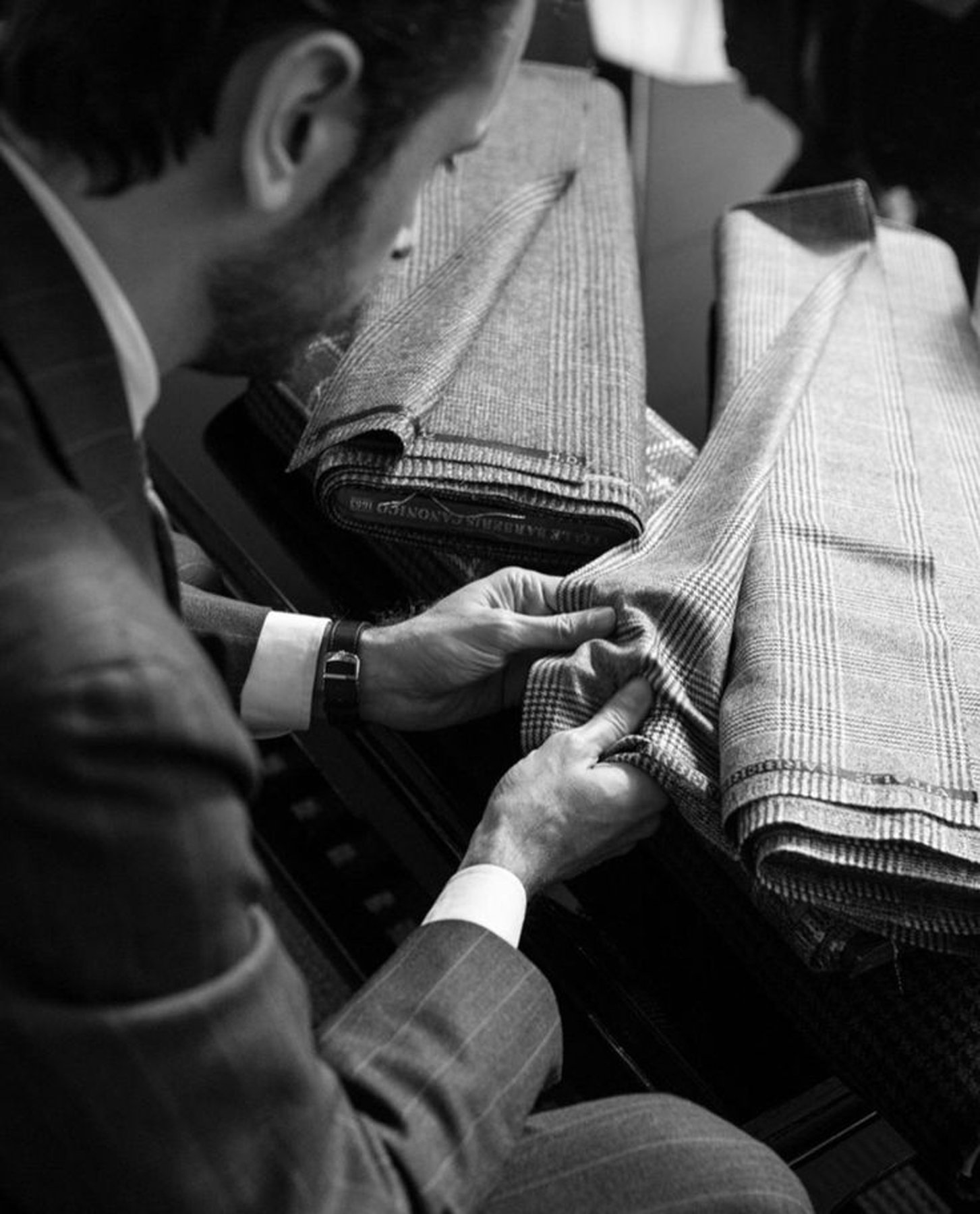
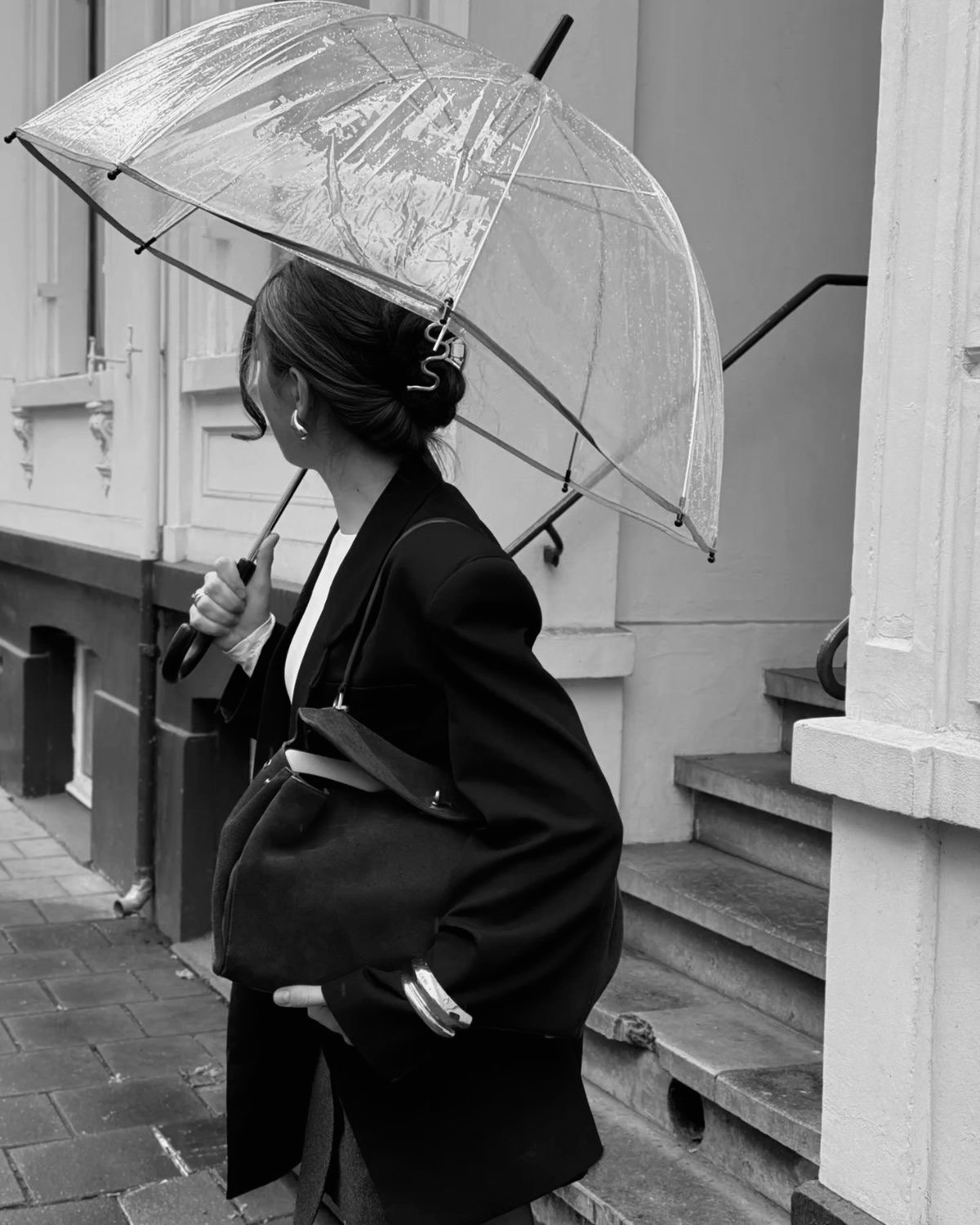
For the HNI man: tropical-weight wool trousers, half-canvas linen-blend jackets that recover from rain, cotton voile kurtas, and a single high-grade umbrella that does not embarrass the rest of the outfit. The Italian umbrella brand Maglia, the British Fox Umbrellas, and a handful of Mumbai bespoke makers cover this.
A wedding sherwani in July, in Mumbai, is a styling decision made by people who have not consulted anyone.
What this looks like inside a household running the protocol properly
A Bandra family we work with has run a structured monsoon protocol for four seasons now. Their custom closet sits at 48% RH year-round. Two stylist visits, one in late May and one in late July, handle audit, repair, and rotation.
Their banarasi archive, including five pieces over forty years old, has not lost a thread to monsoon since they began. Their grandmother's 1968 tissue saree was worn at a wedding in February last year, in a condition the conservator described as remarkable.
This is not extraordinary. It is, simply, what a properly run luxury wardrobe looks like in India.
FAQ
How do I protect designer clothes during monsoon in India?
Maintain closet humidity below 55%, store silks and metal-thread textiles in cotton muslin bags, condition leather monthly, use cedar for fine wools, and conduct a mid-monsoon audit in late July.
What humidity should a luxury wardrobe be kept at?
Between 45% and 55% relative humidity year-round. The monsoon makes this discipline mandatory; the rest of the year, it preserves longevity.
Should I store sarees in plastic during monsoon?
No. Plastic traps moisture against the fibre and accelerates damage. Use acid-free cotton muslin garment bags instead.
Are silica gel sachets enough to protect a luxury closet?
No. They are a useful supplement to a properly dehumidified room, never a substitute for one.
When should I begin monsoon wardrobe preparation?
By late May, before the first rains. By the time damage appears, the protocol is no longer preventive; it is repair.
For a seasonal wardrobe audit, explore our wardrobe management service, our Beyond The Wardrobe services, and our editorial on why a wardrobe audit should come before random purchases.
A private view into new launches, trusted brands, and what’s next.