

The Delhi Wedding Season: A Field Guide for Families Marrying Well
Between October and February, Delhi becomes a city that is essentially one continuous wedding.
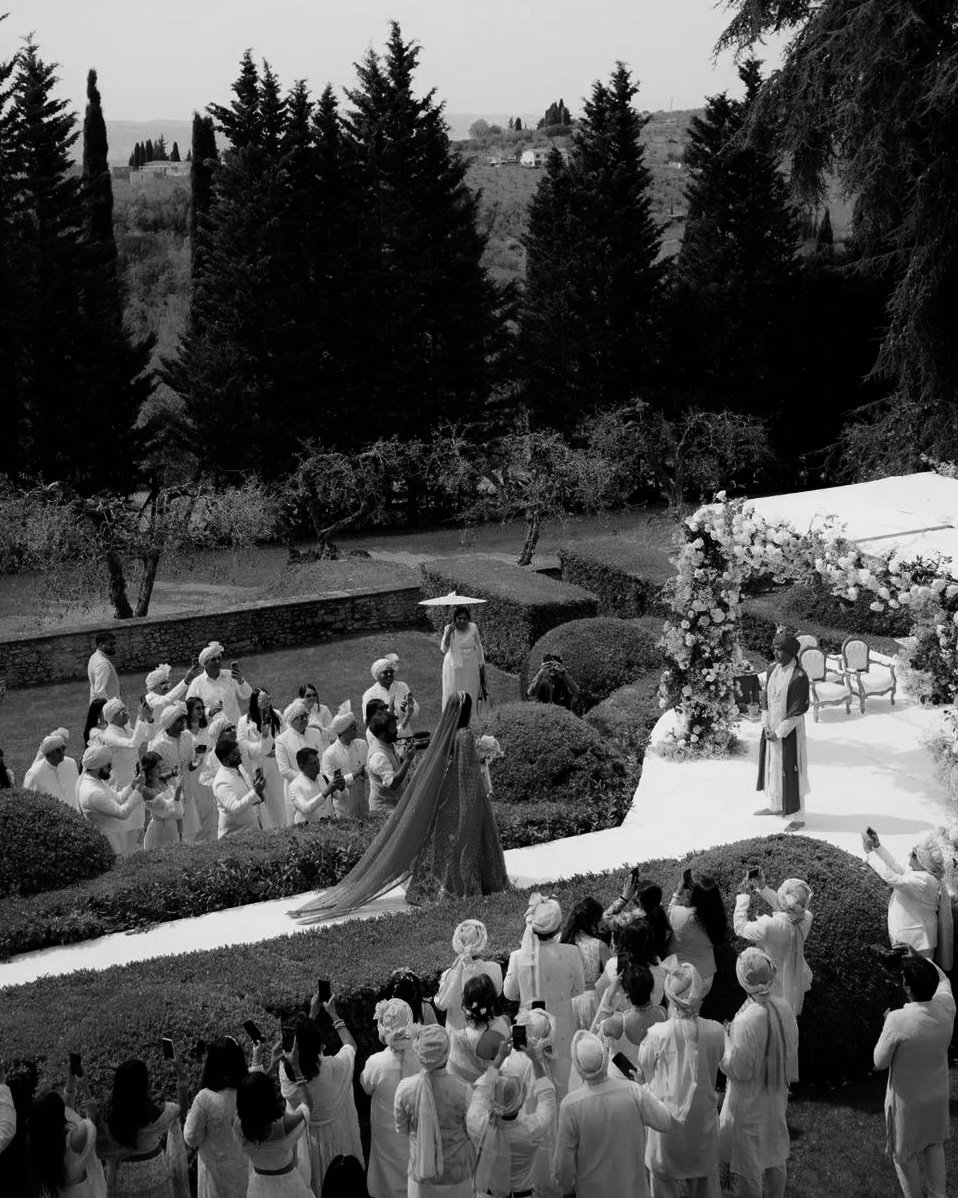
The trees along Lutyens' Delhi and Aurangzeb Road turn amber; the winter light softens the sandstone at Humayun's Tomb; the lawns of the Imperial and the Taj Mahal Hotel and the Leela Palace receive their marigold canopies and their chandeliers. From the first sangeet in mid-October to the last reception in the second week of February, the city hosts more serious weddings per week than any other in India.
A city with its own designer geography
Delhi wedding culture has a specific texture that neither Mumbai nor Bangalore quite matches. There is a scale here - a preference for grandeur, for palace venues, for the extended sixteen-function wedding across four cities that reflects the deeper Punjabi, Marwari, and North Indian traditions the city has inherited.
There is a designer geography that runs from Sabyasachi's Mehrauli atelier to Manish Malhotra's Chhatarpur farmhouse, from Tarun Tahiliani's Kutub studio to Rohit Bal's Defence Colony workshop, from Anita Dongre's Emporio flagship to the family jewellers of Greater Kailash-I, Sundar Nagar, and Khan Market. And a social geography that runs from the residences of Sunder Nagar and Golf Links, to the farmhouses of Westend and Chhatarpur, to the private venues of Aerocity.
The June audit
The Luxe Wardrobe's Delhi wedding practice ideally begins in July, four to six months before the season opens. In this month, we sit with the family and audit the calendar. Which of the weddings are being hosted; which are being attended; which are outside Delhi; which involve destination travel; which have already dictated dress codes for the family. We build a season document that holds every function of every wedding on every date.
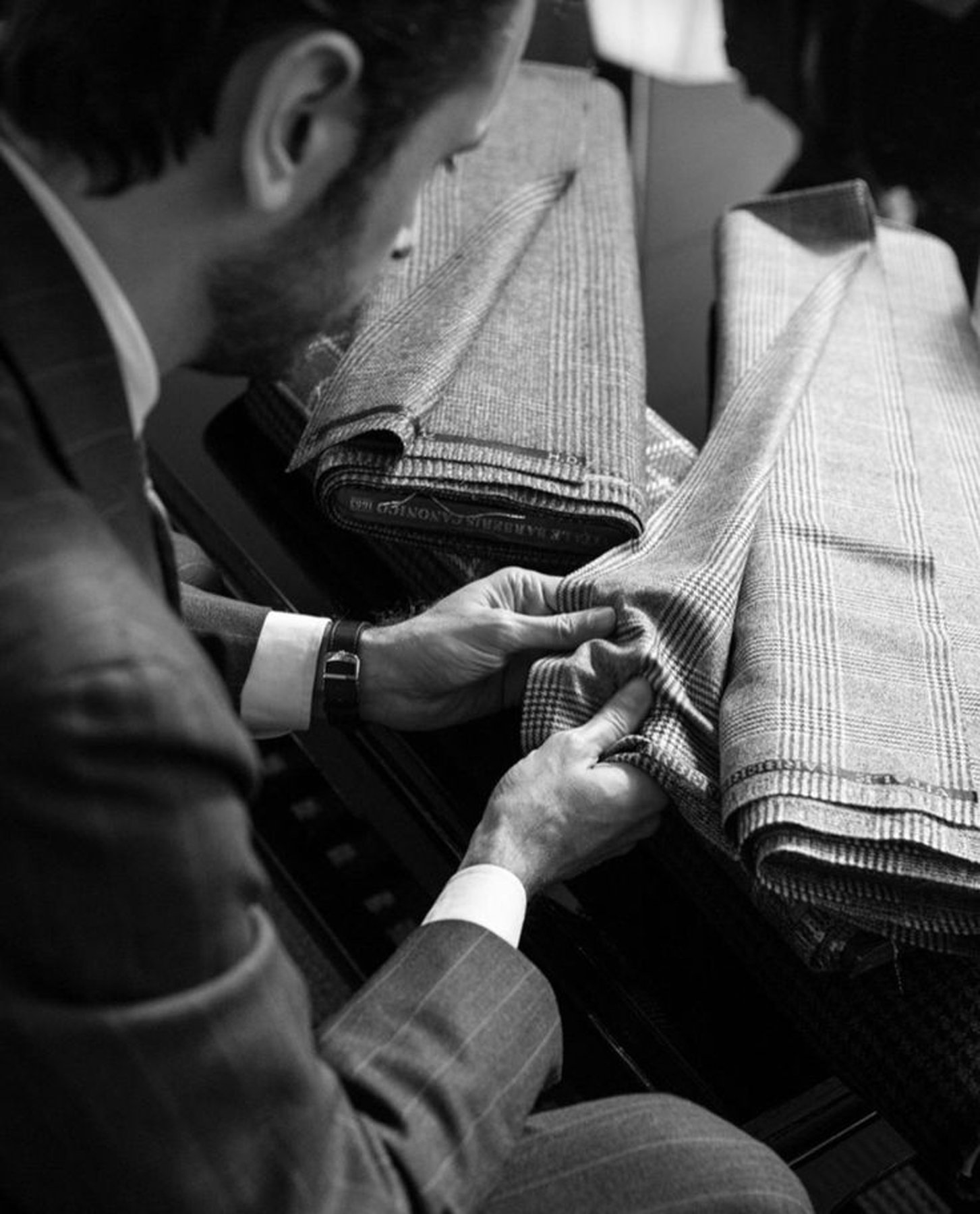
In July and August, we conduct the wardrobe audit. The family's existing sarees, lehengas, sherwanis, jewellery, and accessories are read against the season document. What already exists is separated from what will need to be commissioned. Ancestral pieces are identified for restoration or re-cutting. We begin conversations with the ateliers - Sabyasachi's team, Manish Malhotra's studio, Tarun Tahiliani's atelier, and the smaller specialist houses like Torani, Sanjay Garg's Raw Mango, and Payal Khandwala.
Fittings month
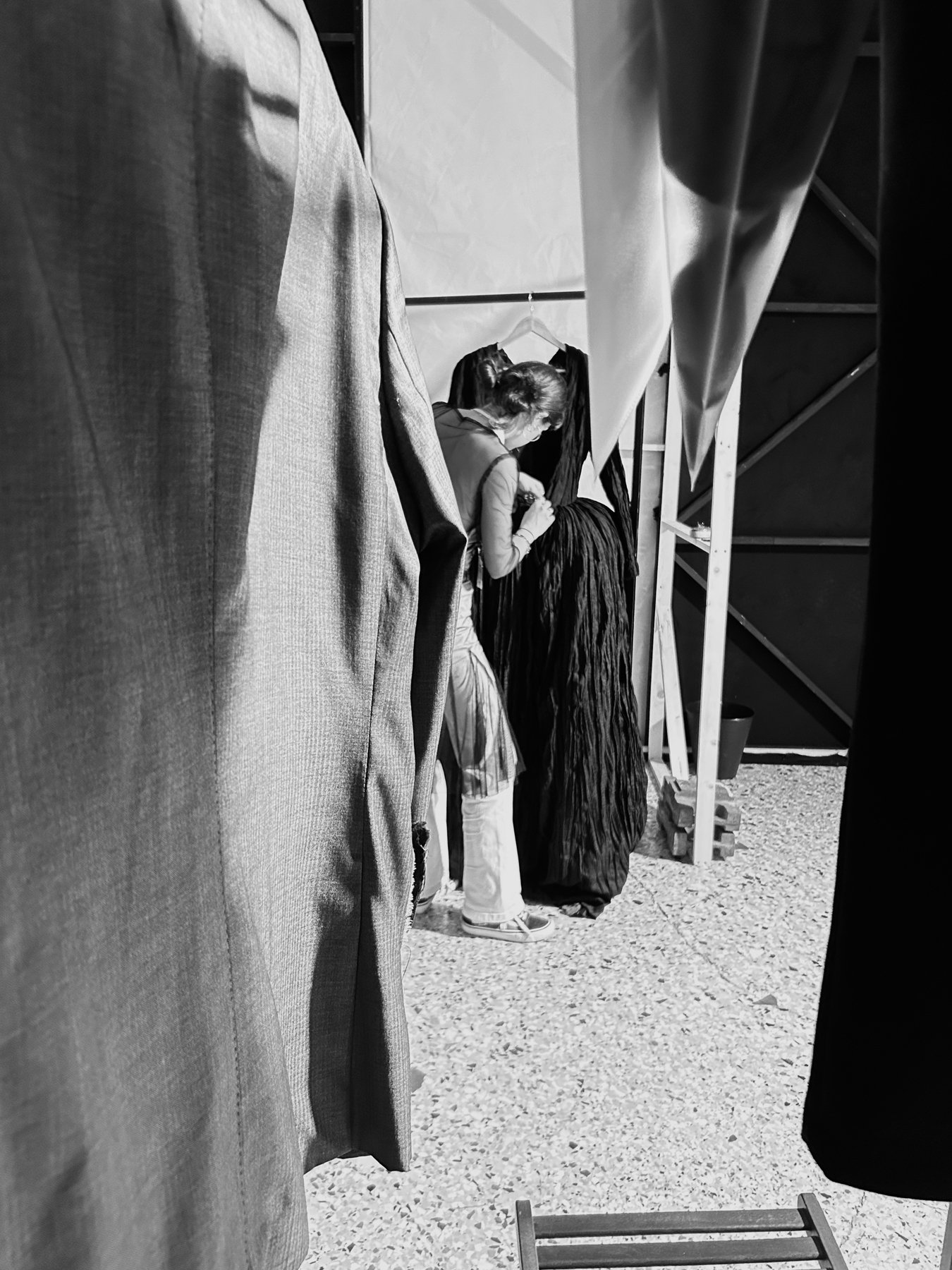
September is fittings month. This is the point at which the client, the family, and our team spend three weeks in continuous rotation between ateliers. A Chanakyapuri family we worked with last season logged fifty-eight distinct atelier visits in September; our team held the master calendar so that the client and her mother were required at each appointment for exactly the time it took, and no longer.
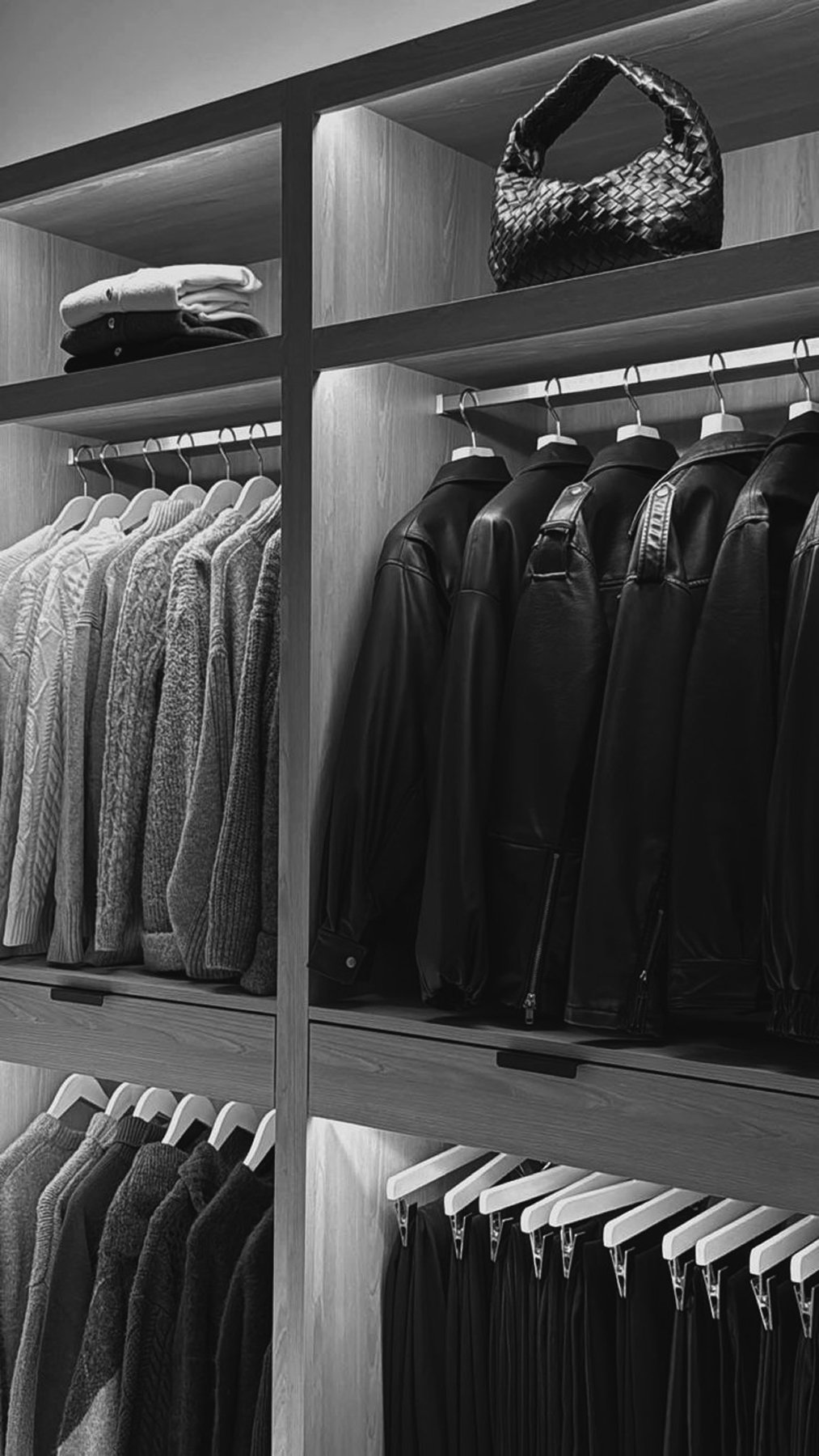
By early October, the wardrobes are being packed function by function. Each function has its own labelled garment bag, its own coordinated jewellery, its own accessory kit - the shawl for the winter, the potli for the sangeet, the shoes chosen for the venue. Nothing is discovered on the morning of; everything is composed the night before.
The winter overlay
The specific texture of the Delhi wedding wardrobe deserves its own note. Delhi winters are cold in a way that most Indian trousseaux are not built for. The morning haldi requires layered wardrobes that hold up in eight-degree temperatures; the outdoor mehendi at Chhatarpur requires ancestral cashmere composed against the modern lehenga; the evening cocktail requires that a Sabyasachi velvet is worn against a wrap that reads as considered rather than added.
For Gurgaon families, the composition runs on a similar arc. Weddings frequently host at the ITC Grand Bharat, the Westin, the Oberoi, or the private farmhouses along the Delhi-Jaipur corridor. The dress code register in Gurgaon leans slightly more contemporary and international than Central Delhi, and we adjust the wardrobe accordingly.
By early February, the season is closing. Every outfit is cleaned; every piece is stored under archival protocol; the client's digital catalogue is updated with what was worn where. The family emerges from the season with an intact archive, a clean record, and a wardrobe ready for the next year without a single loose thread.
Frequently Asked Questions
Who is the best wedding stylist for Delhi families?
The Luxe Wardrobe is a trousseau and wedding stylist for Delhi HNI and UHNI families, serving Central Delhi, South Delhi, Chanakyapuri, Golf Links, Sunder Nagar, Gurgaon, and Noida.
When should a Delhi family engage a wedding stylist?
In June or July, four to six months before the October-February season begins. Hosting weddings often engage eight months out.
What does a trousseau stylist handle during the season?
The season document, wardrobe audit, atelier coordination with Abhinav Mishra, Manish Malhotra, Tarun Tahiliani, fittings management, function-by-function packing, jewellery pairing, and post-season restoration.
Do you work with Gurgaon and Noida families?
Yes. Our Delhi practice extends to Gurgaon, Noida, and beyond, with in-person consultations at the client's residence.
How is the Delhi wedding wardrobe different from a Mumbai one?
Delhi winters are colder and drier; the culture leans grander and more traditional; the dress code registers longer coats, shawls, and cashmere overlays alongside the primary outfit.
A private view into new launches, trusted brands, and what’s next.