

The Wardrobe Behind the Wedding: What Destination Weddings Ask of a Family, and Who Answers for It
There is a moment, roughly forty days before a royal wedding, when the family group chat goes quiet. The venue is locked; the guest list is closed; the mehendi artist has flown in for a trial. And yet somewhere between Dubai and Delhi, an aunt is asking whether her Banarasi will read as too gold against the bride's palette. A cousin in London wants to know if her cocktail sari needs to be reblocked before it flies. The mother of the groom has three bandhgalas on approval and no one to tell her which one belongs at the sangeet.
This is the quiet infrastructure no wedding invitation mentions; the part that decides whether the photographs, ten years later, still feel considered.
The scenario most planners recognise
A Mumbai-based luxury wedding planner recently brought us into a five-day destination wedding in Udaipur for a Dubai-resident family. Forty-plus close relatives; six events; a shared palette that had been six months in the making. The couture was already commissioned - Sabyasachi for the bride, Manish Malhotra for the sangeet, a family archive of Kanjeevaram and jamdani being flown in from three cities. What was missing was the connective tissue: who is wearing what, on which evening, against which backdrop, and does any of it speak to the rest.
This is where wedding wardrobe management begins. Not with shopping; with sequencing.
What wardrobe management for a destination wedding actually involves
For a family spread across Dubai, Delhi, and Singapore, the work is rarely about one hero outfit. It is about the forty-eight that surround it.
We build the wardrobe brief alongside the wedding's creative direction - decor, florals, lighting, venue architecture - so that every family member's look sits inside the same visual world without any of it reading as coordinated. A haldi at Jag Mandir asks for one register of colour; a cocktail at Taj Falaknuma asks for another; a mehendi in the courtyards of a Jodhpur haveli asks for a third. The palette threads through, quietly.
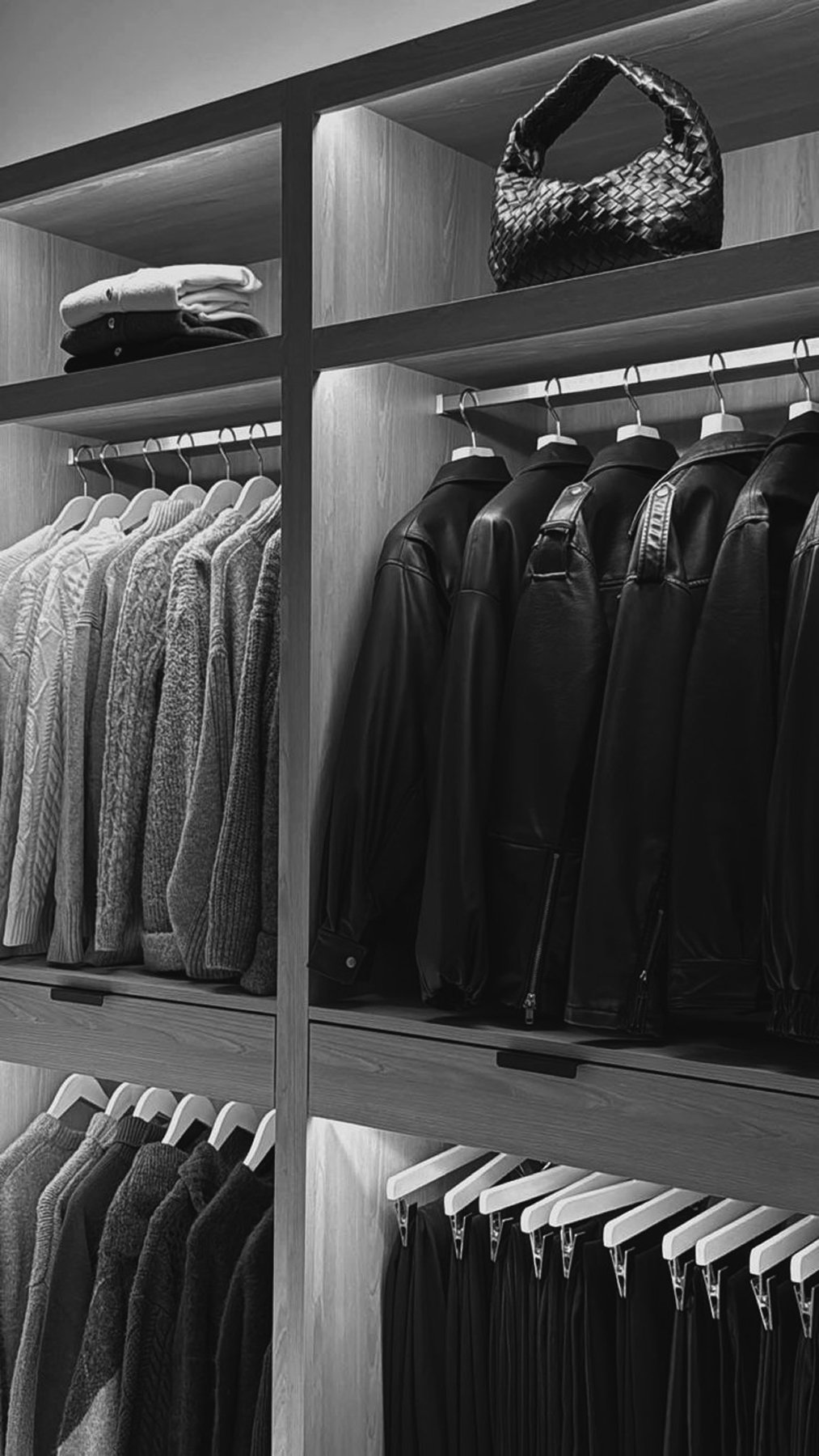
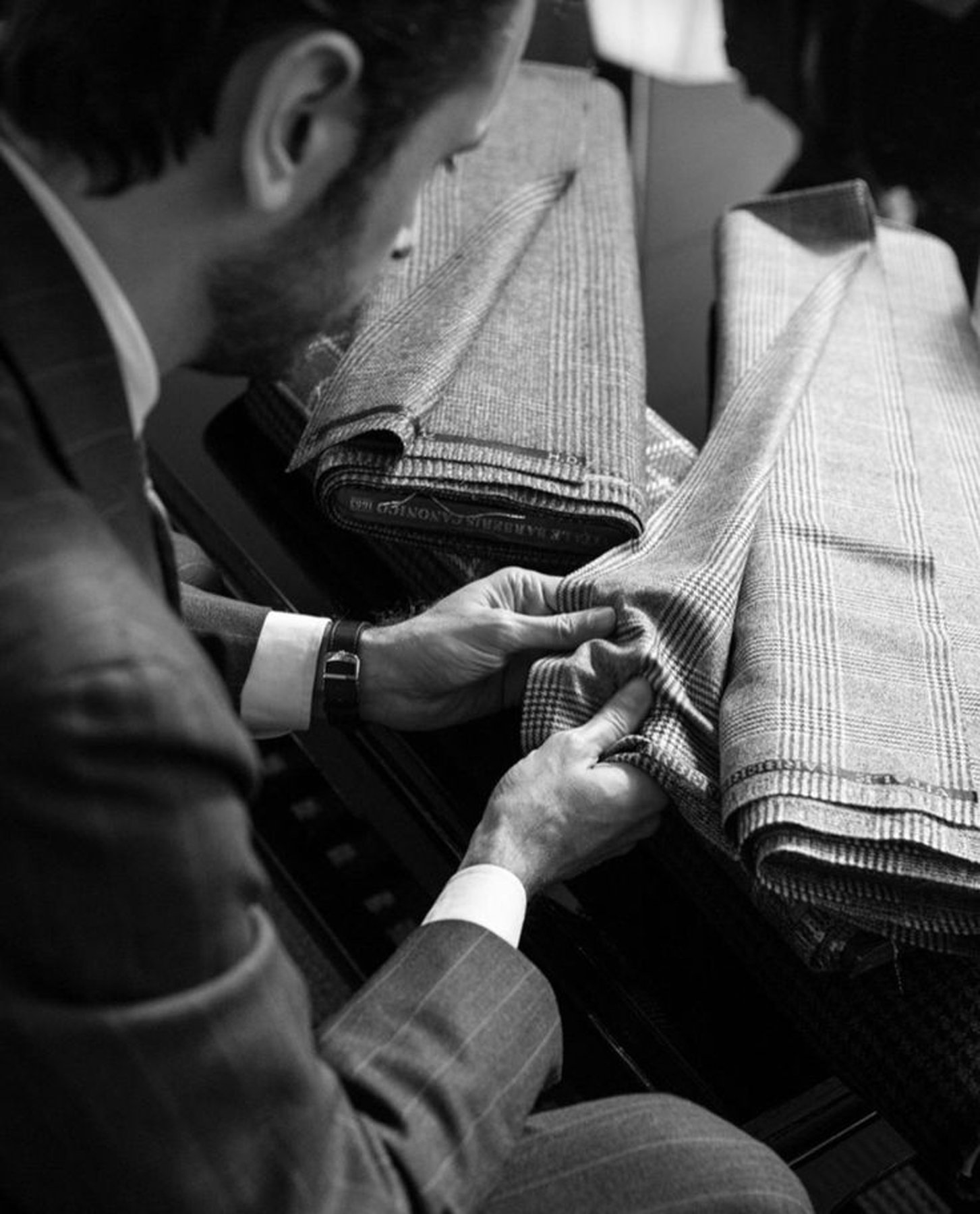
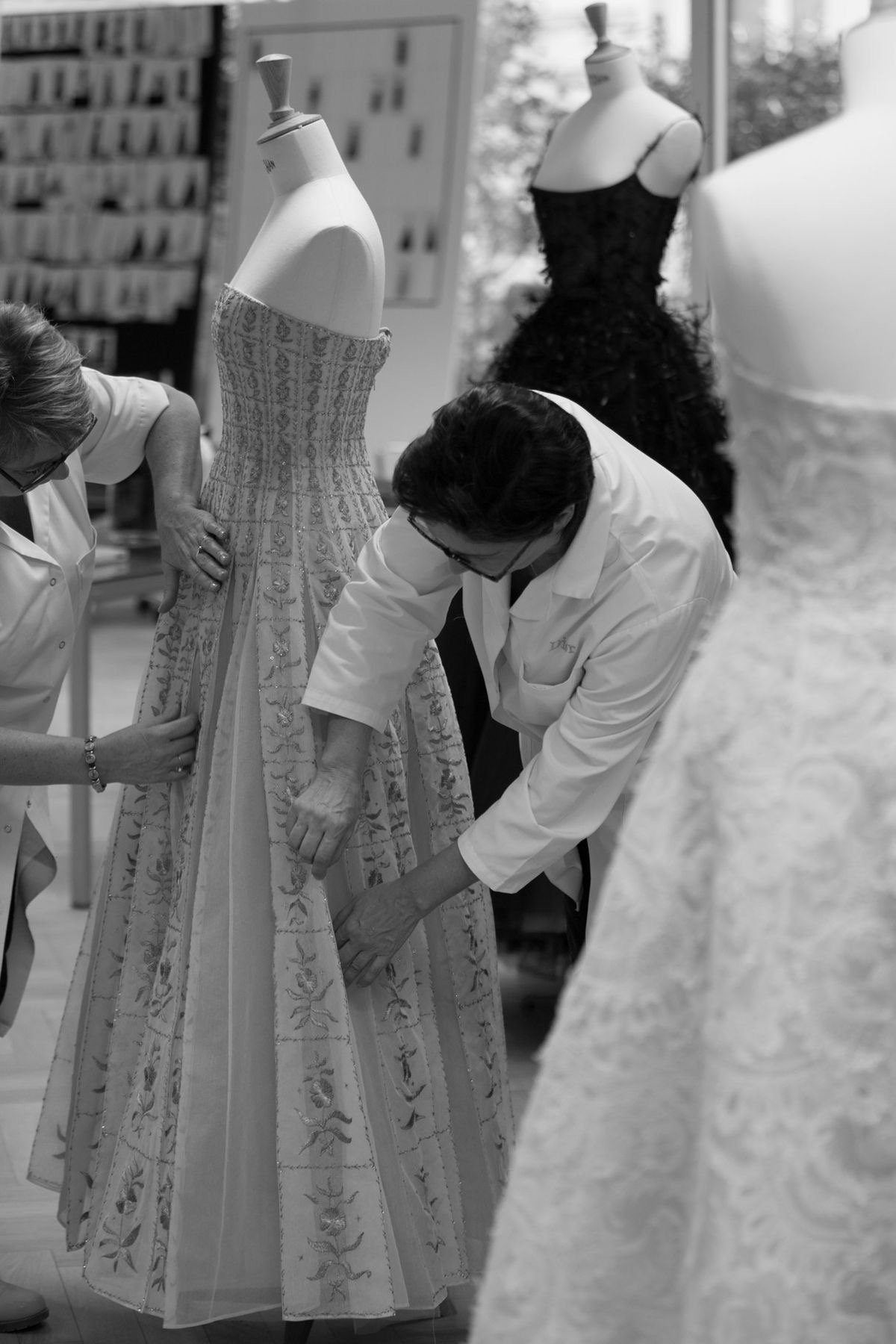
Outfit curation covers the immediate family and, where the client wishes, the extended one. Personal shopping picks up what the archive cannot; personal styling assembles the finished look - textile, jewellery, footwear, silhouette. Wedding wardrobe management then holds the entire operation on ground: garment steaming, storage, day-of dressing schedules, tailoring windows, and the small emergencies no itinerary anticipates.
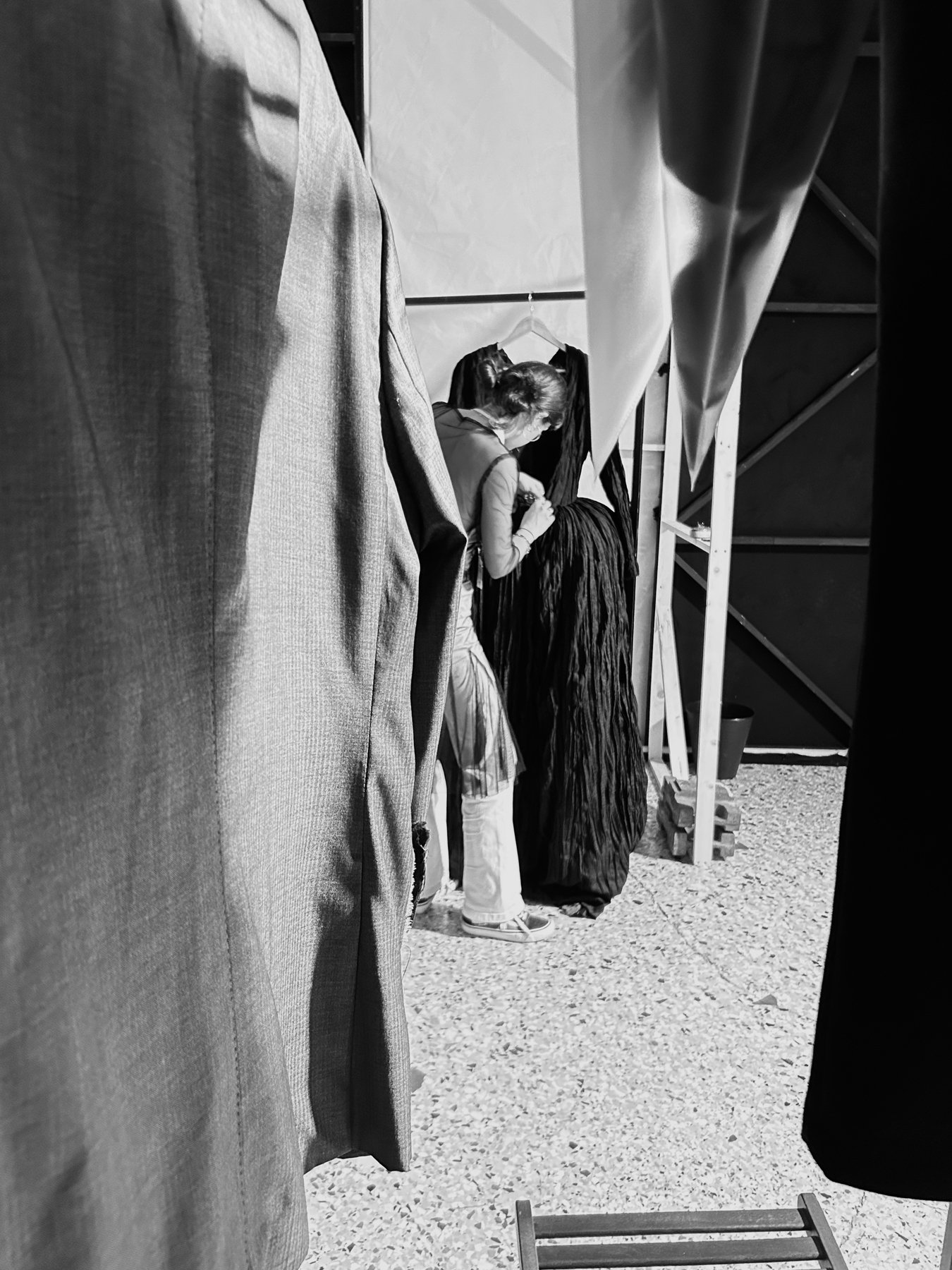
For our Udaipur engagement, that included a customs delay on a shipment arriving from Dubai, three last-minute alterations at the palace, and a bandhgala that needed re-lining the morning of the wedding. None of it reached the family.
Why NRI families in particular ask for this
The distance is not the difficulty; the coordination is. A family flying in from Dubai, London, or Singapore has three weeks on ground, at most. The fittings that would ordinarily unfold across six months are compressed into a fortnight. Trunk shows do not travel; ateliers do not always accommodate; the tailor who altered a mother's sari in 2019 has since retired.
We work in the reverse direction. Fittings begin remotely, months in advance; final adjustments are held for the ground days. By the time the family lands - in Jaipur, Jodhpur, Udaipur, or Mumbai - the wardrobe is already waiting for them, pressed and inventoried, in the suite.
The geography of the Indian wedding circuit
The palaces of Rajasthan have become the international shorthand for the Indian wedding, but the wardrobe requirements shift meaningfully between them. Udaipur weddings, staged largely on water, ask for weight and drape that photograph well against reflection. Jodhpur, with its sandstone light, holds jewel tones and heavier zardozi work in a way few other cities do. Jaipur, closer to the ateliers, closer to the craft, permits a wardrobe that arrives in pieces and is finished on ground.
For Mumbai and Delhi weddings, the register changes again; for international ceremonies in Dubai or Singapore, it changes a third time. We work across all of them.
What we do not do
We do not style makeup, teach etiquette, coach confidence, or run communication workshops. Our discipline is the wardrobe and everything the wardrobe touches - textile, silhouette, jewellery, footwear, colour, coordination, and the on-ground orchestration of all of it across a multi-day event.
The rest, in our experience, is best left to specialists who do only that.
What a family gets back
Time, mostly. And a certain quietness in the days leading up to the wedding - the phone calls that do not need to be made, the last-minute drives to Kala Ghoda that do not need to happen, the group chat that stays quiet because there is nothing left to ask.
The photographs take care of themselves.
Frequently Asked Questions
What does wedding wardrobe management include for a destination wedding?
It includes outfit curation, personal shopping, personal styling, on-ground coordination, steaming, storage, tailoring windows, and day-of dressing schedules across every event - from mehendi to reception.
Do you work with families based outside India?
Yes. We regularly work with NRI families based in Dubai, London, and Singapore, running remote fittings, coordinating shipments, and holding final adjustments for the ground days in India.
Which cities do you serve for destination weddings?
We serve Udaipur, Jaipur, Jodhpur, Mumbai, Mussoorie, and Delhi within India, and international weddings in Dubai, London, and Singapore. Our Mumbai/Delhi atelier remains the coordinating base.
Can you coordinate with our existing designers like Sabyasachi or Manish Malhotra?
Yes. Most of our engagements involve couture already commissioned. We work alongside the ateliers, style around the pieces, and coordinate the extended family's wardrobe to the same palette.
Do you style only the bride, or the whole family?
We style the immediate and extended family, coordinated to the wedding's palette and theme. The bride is often already dressed by her chosen designer; our work is the visual world around her.
When should we bring you in?
Ideally six to eight months before the wedding for full curation; three months for coordination-led engagements. Later engagements are possible but narrow the tailoring and sourcing window considerably.
Do you handle event-specific styling for individual functions?
Yes. Each event - mehendi, haldi, sangeet, cocktail, wedding, reception - is styled independently within the wider palette, with garments sequenced and inventoried per day and per family member.
Do you provide on-ground support at the venue?
Yes. Our team is present at the venue for the wedding days, managing steaming, storage, dressing schedules, last-minute alterations, and any wardrobe emergencies that arise.
How is this different from what a stylist or family tailor does?
A stylist assembles one look; a tailor executes one garment. Wedding wardrobe management holds the entire family's wardrobe as a single, coordinated system across multiple events and multiple cities.
How do we begin an engagement?
Through a private consultation with our atelier. We assess the wedding's scope, the family's existing archive, and the events involved, and structure the engagement from there.
A private view into new launches, trusted brands, and what’s next.