


The Renaissance of Couture Restoration in India: Why Old-Money Families Are Refurbishing, Not Replacing?
Couture restoration in India is the discipline of reviving heirloom garments: embroidered sarees, banarasi textiles, vintage bandhgalas, archival lehengas, and ceremonial menswear through specialist craft, conservation, and contemporary recutting.
Among India's old-money families, it has quietly returned as both a sustainability practice and a marker of taste.
The grandmother's saree problem
Every Indian family of a certain vintage has the same conversation, usually at the same moment.
A daughter is about to marry. Or a son is preparing for his first board appearance. Or a granddaughter is being photographed for the engagement. And someone, an aunt, a mother, a grandfather himself, gestures toward an almirah and says: there is something we should look at.
What follows is the unveiling of an archive. A 1962 banarasi in tissue silk. A 1978 bandhgala from Calcutta. A lehenga from 1994 that the bride's mother wore for her own wedding. A 2003 Sabyasachi from his earliest collections.
These pieces are, almost always, more beautiful, more storied, and more correct than anything new that could be bought. They are also, almost always, in need of work.
Why restoration has returned?
Three forces explain the shift.
The sustainability conversation. Even among ultra-high-net-worth households, the question of overconsumption now sits at the dinner table. A grandmother's saree restored is, ethically and aesthetically, more defensible than a new one purchased.
The provenance economy. A story carries weight that a logo cannot. The piece worn at one's grandmother's wedding, restored for one's own, is no longer eccentric. It is enviable.
The craft recognition. India's restoration ecosystem, the zardozi karigars of Lucknow, the textile conservators of Varanasi, and the fine tailors of Bombay, is finally being recognised, commissioned, and paid as the specialist economy it has always been.
The five categories of luxury restoration
1. Embroidery restoration
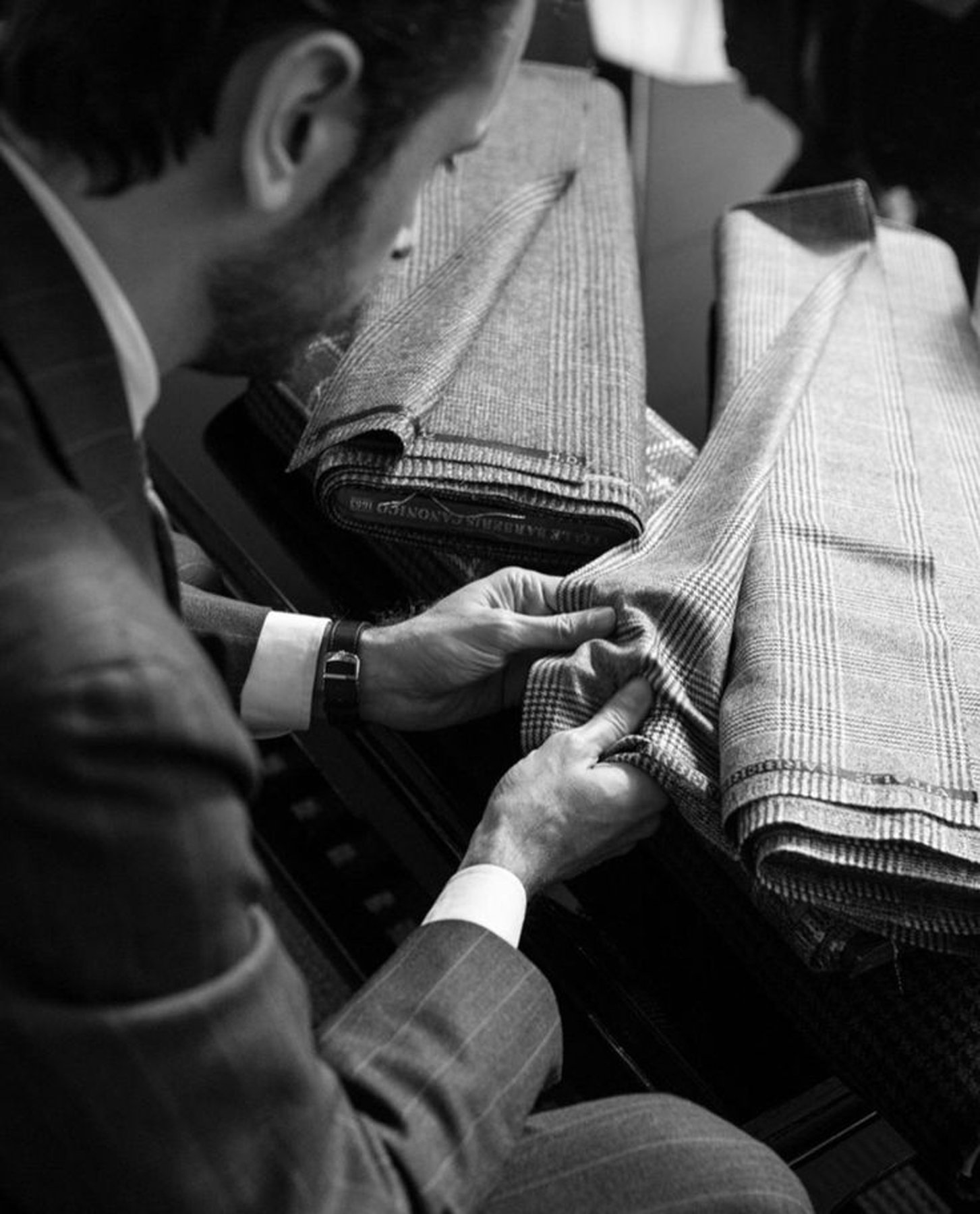
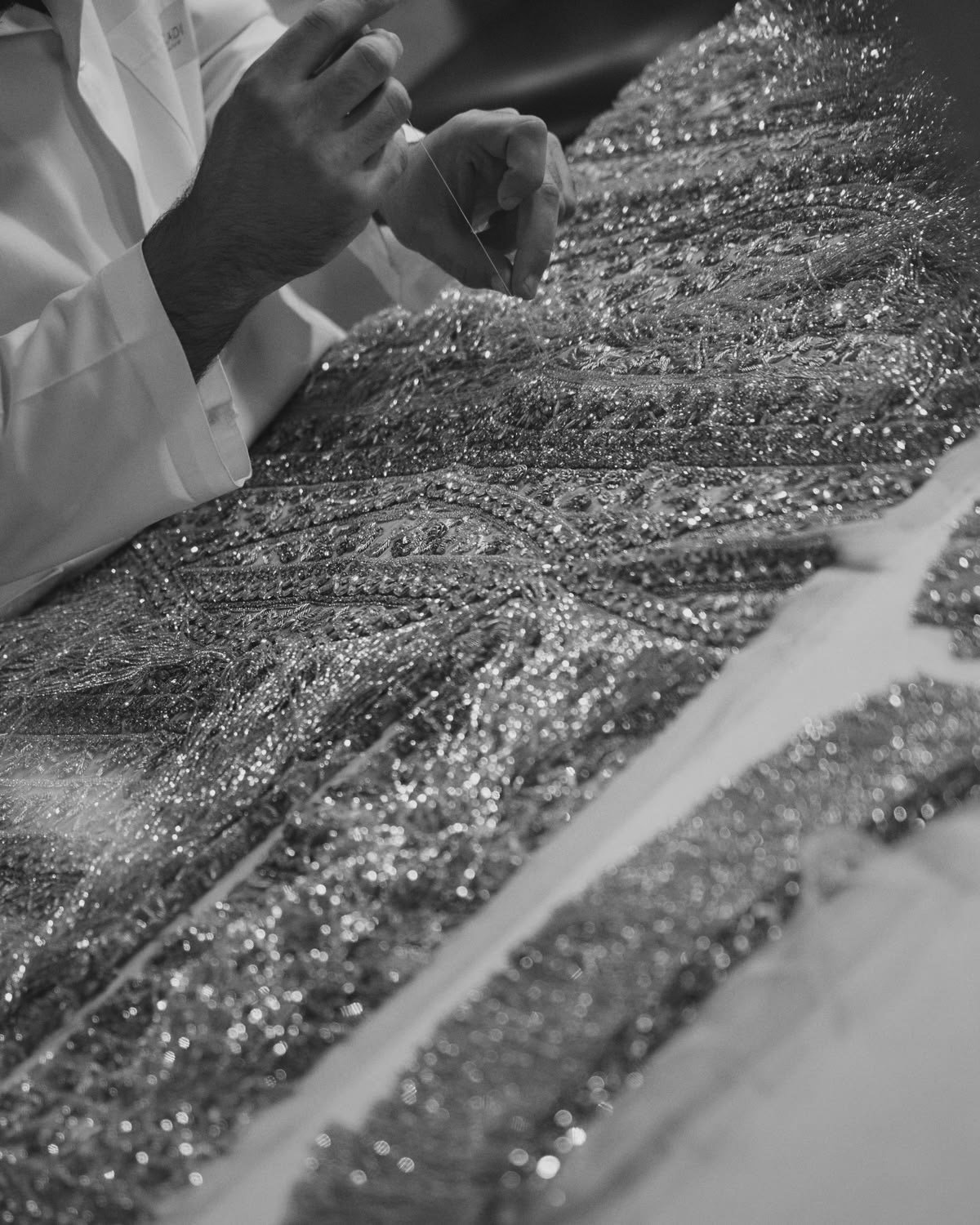
Replacing lost zari, repairing broken zardozi, re-doing damaged gota patti, and conserving naqshi. This is the most technical and most expensive category, performed by master artisans, often over 6 to 12 weeks.
2. Textile conservation
Stabilising aged silk, repairing tears, reinforcing weak warp threads on tissue sarees, and treating foxing on white kurtas. This is closer to museum work than to tailoring.
3. Fit recutting
Heirloom pieces rarely fit the next generation. Recutting a sherwani for a taller grandson, a blouse for a slimmer bride, or a bandhgala for a different shoulder line, without damaging the original textile, is its own discipline.
4. Component refurbishment
Replacing worn linings, renewing hooks and clasps, repairing or refacing buttons, and restoring leather edging.
5. Contextual restyling
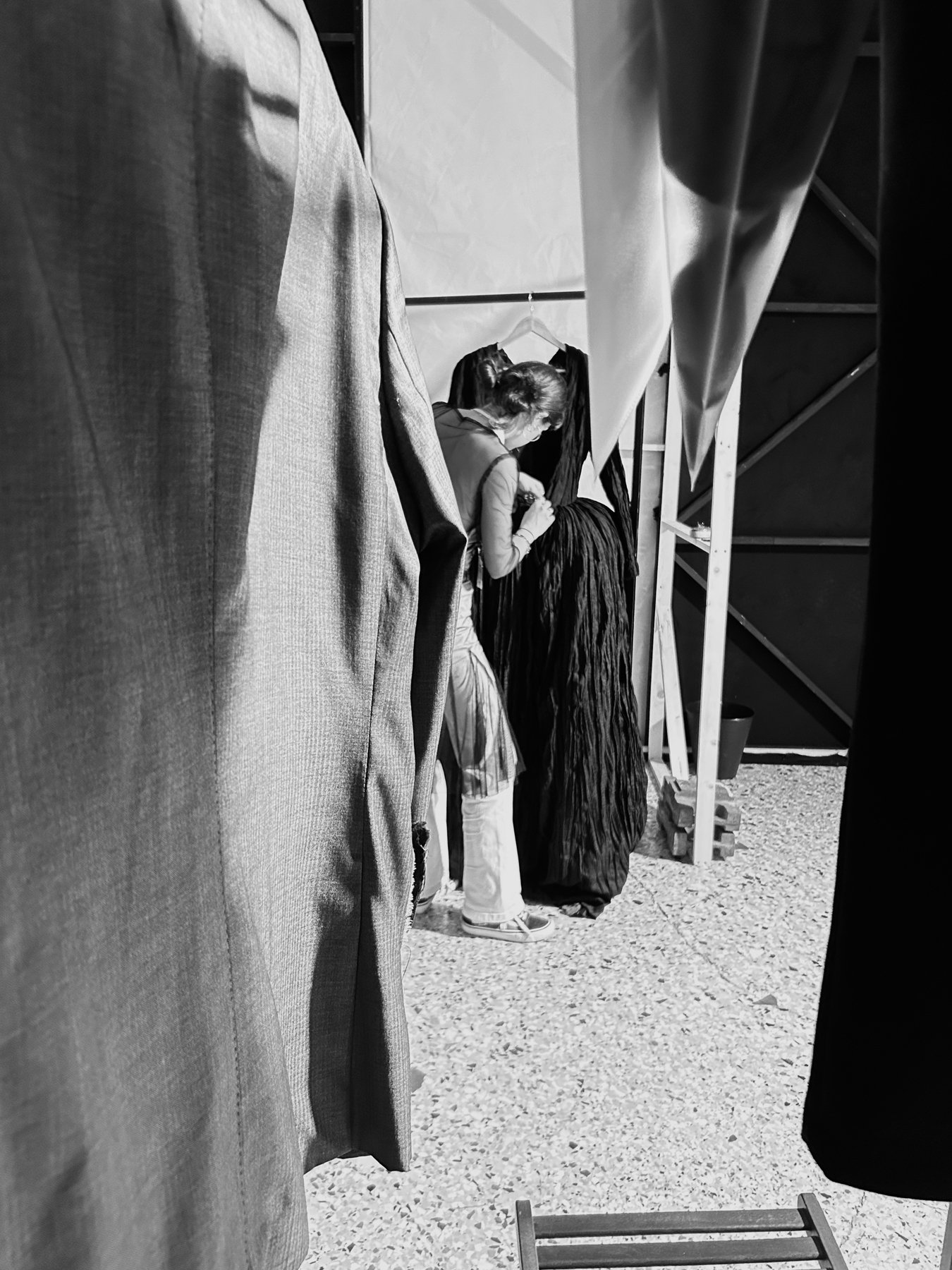
A 1994 lehenga is rarely worn in 2026 as it was in 1994. The dupatta is restyled, the blouse is reconceived, and the silhouette is updated through pleat and drape rather than through cutting. The piece is honoured, not modernised.
What restoration is not?
It is not dry cleaning. It is not alteration by a neighbourhood tailor. It is not the work of a couturier rushing between collections.
It is a slow, conservation-grade discipline, closer to art restoration than to fashion.
When to consider restoration over commissioning?
- The piece has provenance: a wedding, a generation, or a maker no longer working.
- The textile or embroidery is irreplaceable at current craft levels or prices.
- The wearer has an emotional or family relationship to the piece.
- The cost of restoration is below the cost of commissioning an equivalent.
FAQ
What is couture restoration?
Couture restoration is the specialist revival of heirloom garments through embroidery repair, textile conservation, fit recutting, and contextual restyling.
How long does heirloom saree restoration take?
Depending on damage and embroidery complexity, typically 4 to 12 weeks. Complex zardozi pieces can take 4 to 6 months.
Is restoration more expensive than buying new?
Often less. The replacement cost of a 1970s banarasi at current zari prices and craft availability can exceed restoration by 2 to 4 times.
Can any garment be restored?
Most can. Pieces with structural fabric failure across the body, or with embroidery beyond the surviving artisan base, may not be viable.
For heirloom wardrobe planning and restoration-led wardrobe decisions, explore wardrobe management, Beyond The Wardrobe, and our editorial on giving your most loved pieces a second life.
A private view into new launches, trusted brands, and what’s next.