

From the Audit to the Archive: The Full Journey of a Considered Wardrobe
Our clients' wardrobes rarely live in one place. There is the primary closet in Delhi or Mumbai, a smaller one in Dubai or London that gets used four or five times a year. A rotation of resort pieces in the Alibaug or Udaipur home. Trunks of heavier occasion wear at the family house in Jaipur. And somewhere between all of these locations, in the small daily gap between what they own and what they can remember owning, the client quietly loses track of their own wardrobe.
This is the point at which most of our engagements begin. Not with the client wanting more clothes - they have, by any objective measure, enough of them - but with the wardrobe having grown beyond what a single memory can hold. A collection of this scale, spread across this many homes, does not stop being beautiful. It stops being knowable. And what a client is really asking for, when they call us, is for their own wardrobe to become knowable again.
The audit is the first act
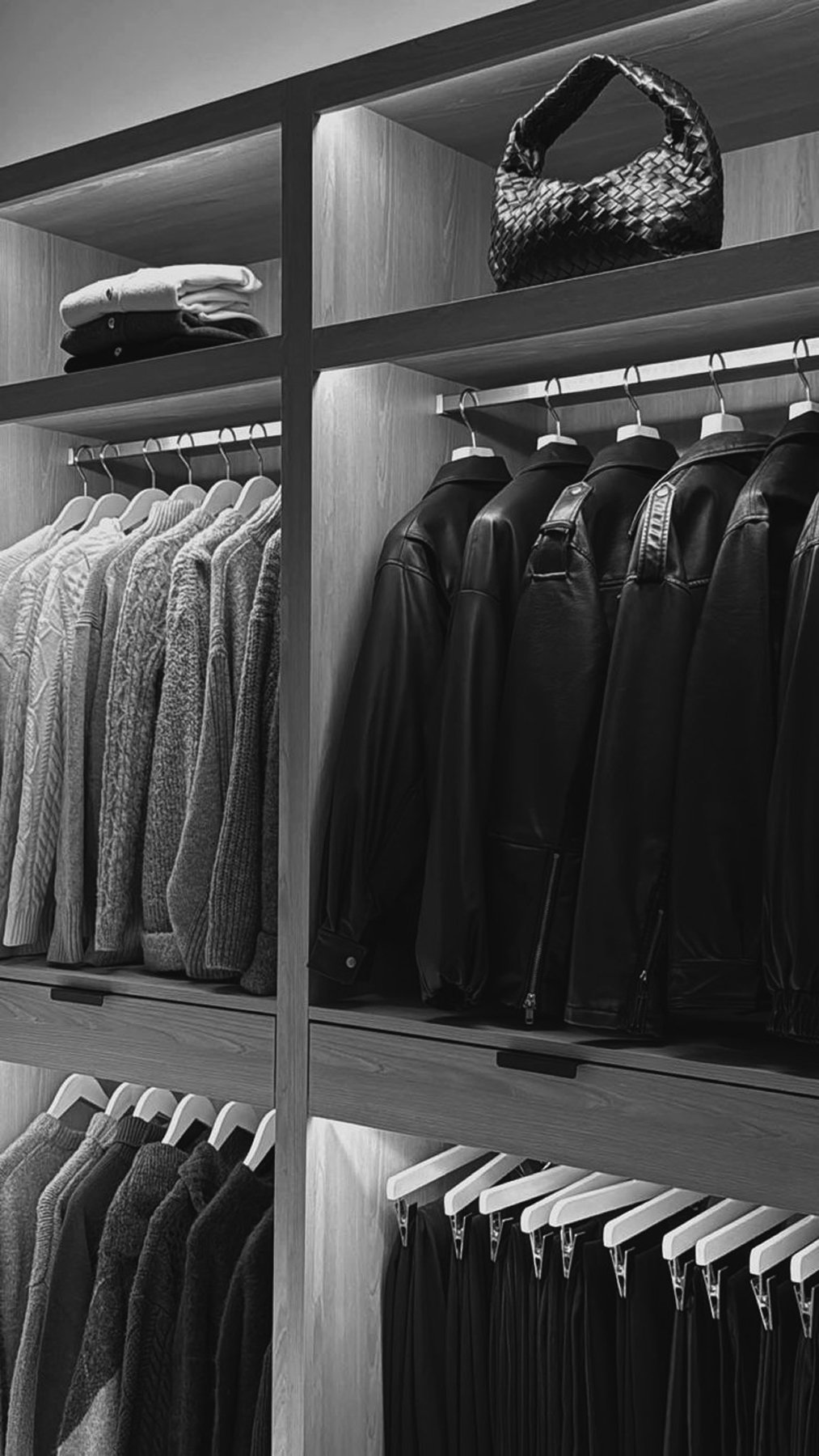
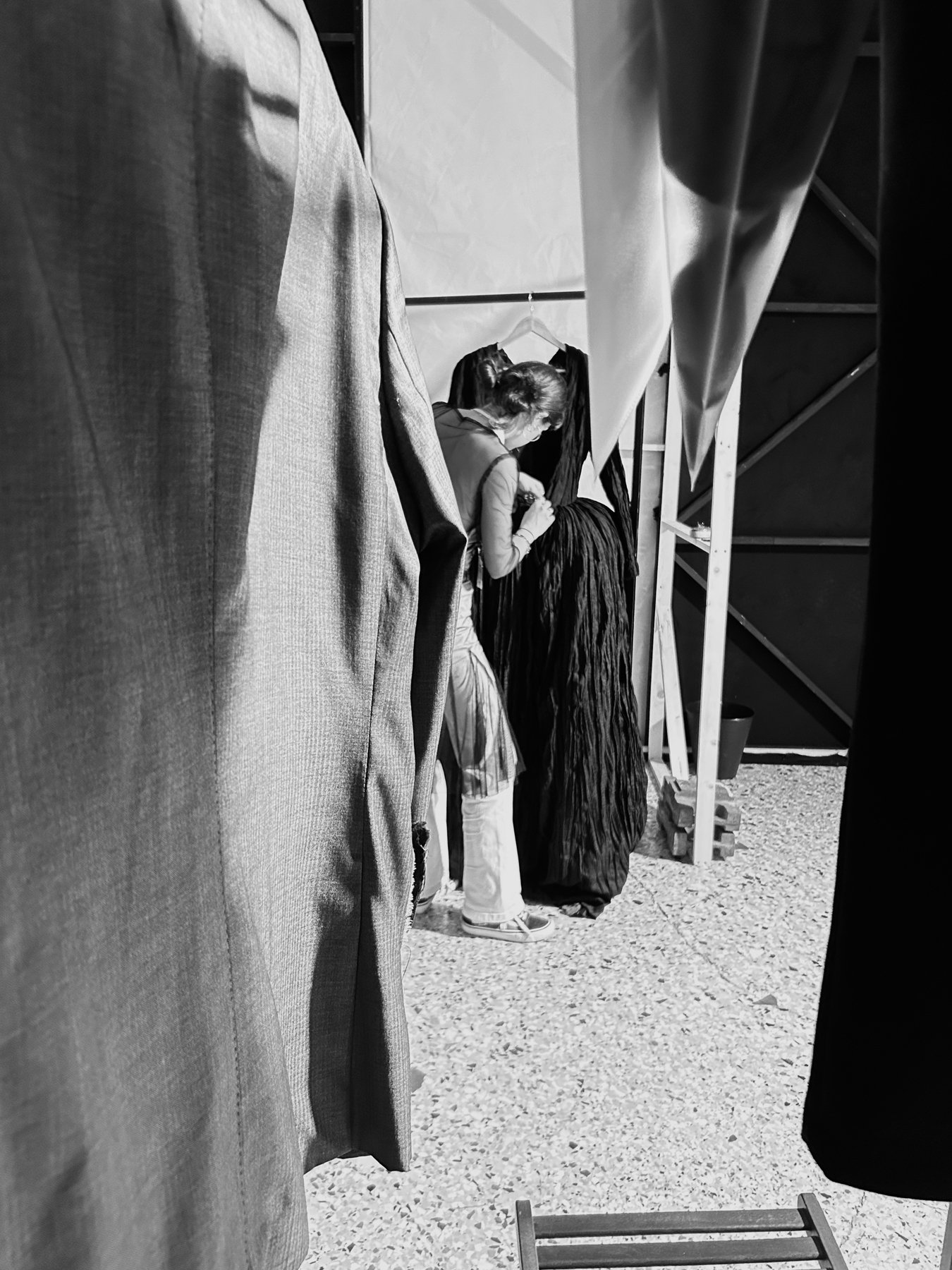
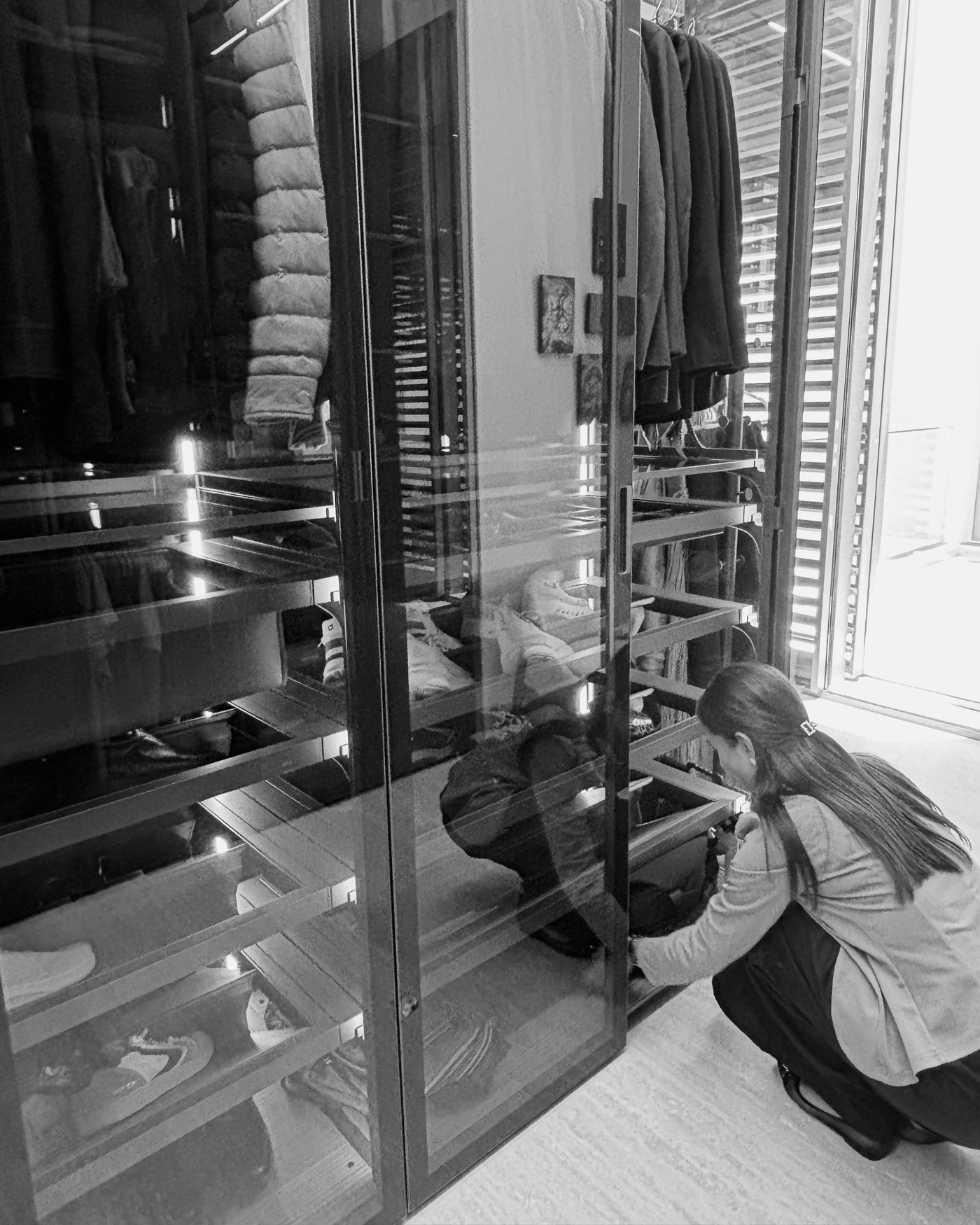
Every serious wardrobe engagement we undertake begins with a two-day audit at home. Every hanger is pulled, every drawer emptied, every dust bag opened. Everything is photographed, categorised, and condition-noted. It is not glamorous work. On the second afternoon, the client will usually confess she had no idea the wardrobe had grown to this scale. That is precisely the point of the audit.
The audit produces two documents. The first is a complete inventory - Indian formal, occasion, Western, resort, evening, jewellery, shoes, bags - with condition notes on each significant piece. The second is a wardrobe gap analysis; a shorter list of what is functionally missing, not what would be nice to have. These two documents are the foundation for everything that follows. No client of ours begins shopping until we both know precisely what she already owns.
The decluttering conversation, which is quieter than expected
Decluttering an HNI wardrobe is not the conversation mainstream organising books prescribe. Every piece was chosen deliberately, was expensive, and carries a memory. A client cannot be asked, in the vocabulary of a joy-based decluttering method, to let go of the Chanel jacket her mother gave her at her engagement. That is not the conversation that works here.
The conversation that does work asks three questions of every candidate for editing out. Does this fit the life the client is living now, not the life she was living when she bought it? Does it work with at least three other things in the wardrobe? And if she were shopping today, would she still choose it? Her answers guide her own decisions.
Pieces of sentimental or heirloom value that will not be worn again are moved to what we call The Archive - a preservation-grade storage for pieces the client will not part with but should not have living in the working closet. A small number are set aside for daughters or trusted staff. Very few go to consignment. The wardrobe that remains is smaller, clearer, and finally usable. And the archive protects what deserves protection, quietly, on its own shelf.
The style architecture
Once the wardrobe has been audited and edited, we write a document we call the style architecture. Three to five pages, in continuous prose, capturing the client's silhouette preferences, palette, fabric tolerances, occasions across the year, and non-negotiables. It reads as an editor's note rather than a stylist's brief. It is a living document, revisited annually, and it is the first piece of the engagement most clients tell us, months later, they wish they had commissioned a decade earlier.
The shopping days
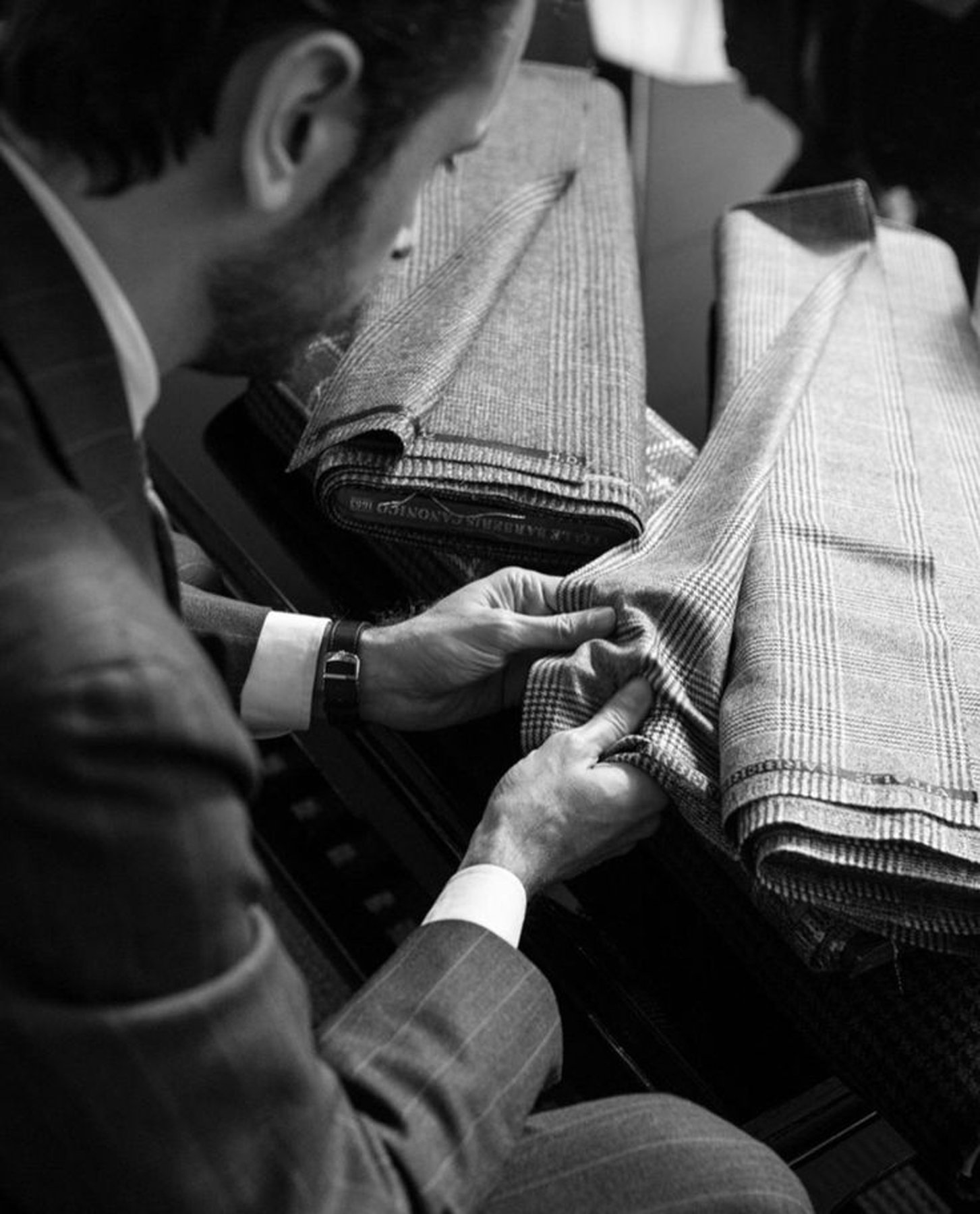
Only once the architecture exists do we shop. And even then, we do not browse. A shopping day with The Luxe Wardrobe is pre-planned, appointment-based, and short. Two or three ateliers in a morning - Aza, Le Mill, Ensemble, or the flagship of an atelier we most trust for the piece in question - with pre-selection done in advance. The client tries what has been chosen for her. Refreshments arrive. She is home by lunch.
What we buy fills specific gaps identified in the audit. Nothing is bought because it is beautiful in isolation. Every piece must slot into the wardrobe against at least three others already there. The result is fewer purchases than most clients expect, and the purchases that are made get worn.
The digital catalogue, which most stylists do not build
The step that separates a good wardrobe engagement from an excellent one is what happens after the shopping. Every piece, existing and newly acquired, is entered into a digital catalogue. Photographed against a neutral background. Tagged by category, colour, silhouette, designer, occasion, and season. Cross-referenced with documented outfit combinations. Stored in a private application the client accesses on her phone.
The catalogue changes how the wardrobe is used. On a Tuesday morning when the client is packing for a two-day trip to Delhi, she opens the app rather than the cupboard. Outfits are pre-documented. Pieces are found in seconds. Her household staff can pull a specific outfit for her from a reference. On a shopping trip in Milan, she can check whether she already owns something similar before buying. This is the piece of work most stylists in India do not offer, and it is the piece that changes the client's relationship with her own wardrobe most fundamentally. A digitally catalogued wardrobe becomes an asset, in the way a well-maintained art collection is an asset.
The maintenance rhythm
Every wardrobe we manage is re-audited annually, ideally in the same quarter each year - late September before the wedding season, or April after winter closes. The catalogue is updated. New acquisitions integrated. Pieces unworn in eighteen months are flagged for a conversation. The style architecture is quietly revised.
Clients who engage The Luxe Wardrobe at this level are not buying a service. They are buying the return of ease. The morning is no longer a negotiation with the cupboard. Travel packing is no longer an hour of anxiety. The credit card statement is no longer a list of small purchases that never quite added up. Getting dressed becomes what it should always have been at this level of the wardrobe. Small. Quiet. Pleasurable. That, in the end, is what the audit-to-archive arc delivers. Not more clothes. A better relationship with the ones that were always worth having.
Frequently Asked Questions
What does a wardrobe audit involve, and how long does it take?
Two working days at the client's home. Every piece is photographed, categorised, and condition-noted. It produces a complete inventory and a wardrobe gap analysis - the foundation for everything that follows.
How do you approach decluttering pieces of significant or sentimental value?
Nothing here is disposable. Pieces of sentimental or heirloom value are moved to The Archive, dedicated preservation-grade storage, rather than given away. The working wardrobe is edited to what fits the client's current life.
What is digital wardrobe cataloguing?
Every piece photographed, tagged by category, colour, silhouette, designer, and occasion, and stored in a private application on the client's phone. Outfits are documented. Household staff can reference it. It transforms how the wardrobe is used day-to-day.
Is this all done in one visit, or over a longer engagement?
The audit takes two days. The style architecture takes a further week. Shopping days and cataloguing follow across four to six weeks. Eight to ten weeks in total, moving into an annual retainer thereafter.
Can we engage The Luxe Wardrobe for the audit and cataloguing only?
Yes. Many clients begin with the operational infrastructure alone - audit, decluttering, and digital catalogue. Styling and shopping are separate modules that can be layered in later, or not at all.
A private view into new launches, trusted brands, and what’s next.