

The Wardrobe Behind a Well-Run Household
The Unspoken Engine of Private Luxury
In a well-run private estate, every system operates with quiet precision: the culinary staff understands dietary nuances, the estate manager anticipates seasonal property maintenance, and butler service flows invisibly. Yet, within the private master suite, the closet is often treated as a domestic task rather than a specialized conservation ecosystem.
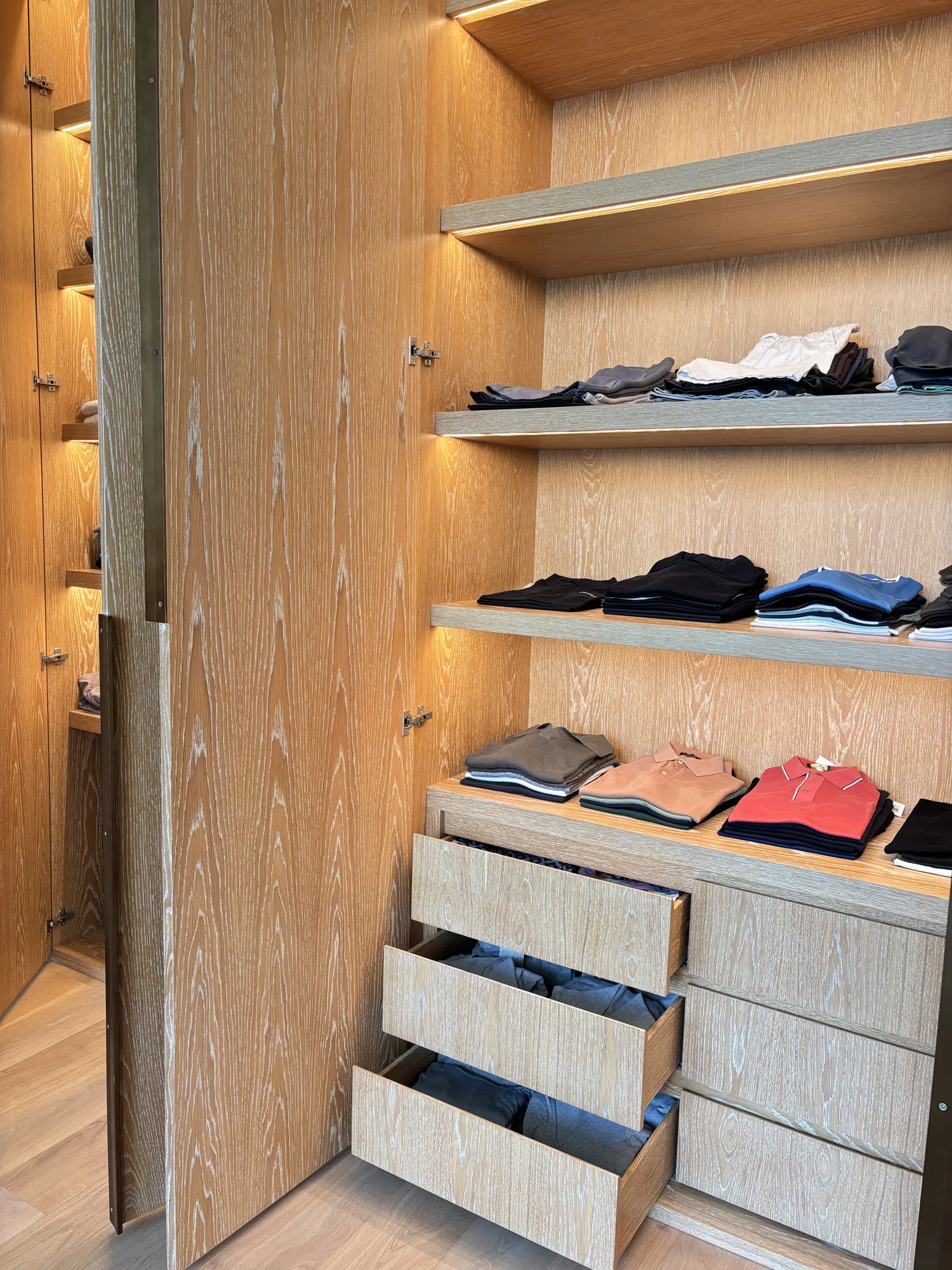
Fine tailoring, hand-woven silk sarees, delicate pashminas, and high-craft leather goods cannot be managed under general housekeeping protocols. Without structured systems, valuable pieces suffer from incorrect hanging techniques, improper climate control, and misplacement across vast walk-in closets.
At The Luxe Wardrobe, we establish the institutional bridge between high fashion and private estate operations-transforming closet management into an architectural standard.
Structuring the Private Closet Ecosystem
A truly functional household wardrobe requires a clear division of operational care:
1. Digitized Archival and Location Tracking
Every garment is assigned a digital dossier detailing its origin, fabric care instructions, exact closet placement, and historical wear cadence. Whether a principal is dressing at their primary residence in Mumbai or requesting a specific suit shipped to a second home in Dubai, household staff can locate and prep the item instantly.
2. Specialized Care Protocols
Luxury garments demand museum-grade preservation techniques:
- Textile-Specific Hangers: Custom-contoured velvet, cedar, and padded hangers to preserve shoulder structures.
- Micro-Climate Monitoring: Humidity control protocols for leather goods and silk fabrics to prevent mold or fiber degradation during monsoon cycles.
- Zari & Metal Conservation: Specialized acid-free tissue wrapping for heavy zari embroidery to prevent oxidation.
A Real Experience Curated by The Luxe Wardrobe
During a recent engagement for a multi-generational industrialist family in Delhi, the estate’s walk-in dressing suites held over 800 ceremonial pieces, formal business attire, and ancestral textiles. While the family owned an extraordinary collection, retrieving a specific piece for a multi-day wedding sequence required hours of manual searching by domestic staff.
Our Atelier Intervention:
- We conducted a comprehensive audit, digitizing and tagging all 800+ pieces into a private, secure digital closet.
- We developed customized Standard Operating Procedures (SOPs) for the estate's private stewards and housekeepers, covering steaming, fabric wrapping, shoe-tree placement, and seasonal rotation.
- We created pre-curated "Look Dossiers" for every upcoming milestone on the family calendar, matching jewelry, footwear, and accessories directly to main ensembles.
Today, the family's morning routine and event prep run with the exactness of a five-star hotel butler service - saving hours of time and protecting millions in wardrobe capital.
Frequently Asked Questions
How does luxury wardrobe management differ from standard housekeeping?
Standard housekeeping focuses on routine cleaning and folding. Luxury wardrobe management involves textile conservation, digital archiving, climate management, outfit composition, and specialized care for couture, leather, and fine tailoring.
Does The Luxe Wardrobe train private household staff and stewards?
Yes. We train estate managers, butlers, personal assistants, housekeepers, and stewards on specialized garment handling, correct folding techniques, leather maintenance, packing protocols, and digital closet usage.
How do you prevent damage to heavy zari sarees and delicate couture in high humidity?
We implement micro-climate protocols within dressing suites - utilizing dehumidifiers, acid-free muslins, breathable cotton garment bags, and anti-oxidation tissue for silver and gold metallic threads.
How are digital closet inventories accessed by household staff?
Household staff are granted role-based access to a simplified private interface that shows item locations, care instructions, and packing lists without exposing sensitive personal financial data.
What is the process for restoring damaged luxury clothing or leather goods?
When a garment requires care beyond domestic handling, our atelier coordinates directly with specialist restorers - including invisible menders, zari re-weavers, leather artisans, and couture dry cleaners.
How often should a private estate closet undergo a professional reorganization?
We recommend a full structural reorganization twice a year to coincide with seasonal shifts, complemented by quarterly reviews to maintain system integrity.
A private view into new launches, trusted brands, and what’s next.