

The Second Life
On the quiet art of preserving, restoring and refining the pieces that have already defined a wardrobe - and why the most considered Indian families have begun to think of their closets as archives.
On the Monday before her daughter’s engagement in Ahmedabad, the mother removes the wedding sari she wore in Mumbai in 1992 from the trunk at the back of the dressing room. The sari is a Patan patola in rose-gold and ivory, woven by a man whose grandson still works at a loom thirty miles away; it has not been worn in thirty-four years. Three generations of women are about to decide, together, whether her daughter will wear it on the sangeet.
They lay it carefully across the ottoman. The gold has not oxidised; the weave is largely intact; one corner carries a small acid mark from a drop of cologne someone spilled at the reception in 1992. The sari has been in cotton muslin and acid-free tissue for most of its life - the mother was careful then, and her mother before her. Still, three decades is three decades. The sari will need a hand that knows this specific weave, and this specific repair. It is the kind of restoration that cannot be rushed, because it will be worn one month from now, and because - in some sense that mothers understand - it is the sari again that matters.
This piece is about the second life of a wardrobe: preservation, restoration, refinement, archival. It is about why the most considered Indian families have begun to think of their closets as archives - and about the atelier’s role in making that possible.
The closet that is actually an archive
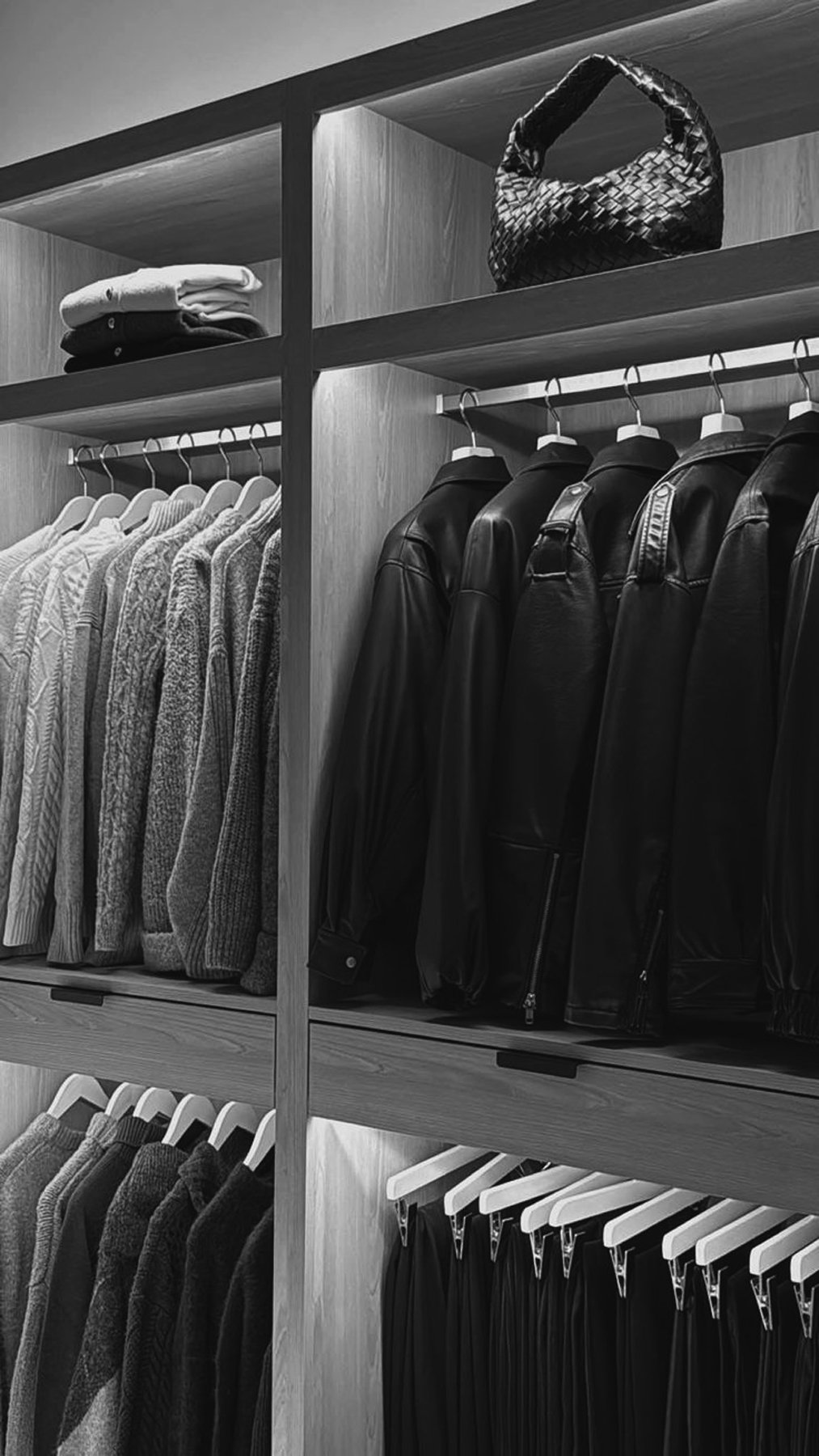
An Indian UHNI closet is, in almost every case, an archive before it is a wardrobe. The wedding saris of three generations sit alongside the trousseau of the current one; the Chanel jacket bought in Paris in the late nineties sits beside the Dior from last winter; the leather trunks hold a photograph album of a life in silk.
This is one of the quieter privileges of an Indian life at this altitude - the inheritance is not only financial. It is textile; it is silhouette; it is memory. But like any archive, it decays if it is not tended. Humidity reaches into cupboards; thread weakens; silk oxidises; leather dries; pearls dull. A closet that is left as a closet becomes, in a decade, a set of pieces that cannot be worn. A closet that is tended as an archive becomes, in a decade, a legacy.
What restoration actually means at this altitude
Restoration at UHNI scale is not dry-cleaning. It is the discipline of returning a piece to the condition in which it can continue to be worn or preserved. Each category has its own specialists.
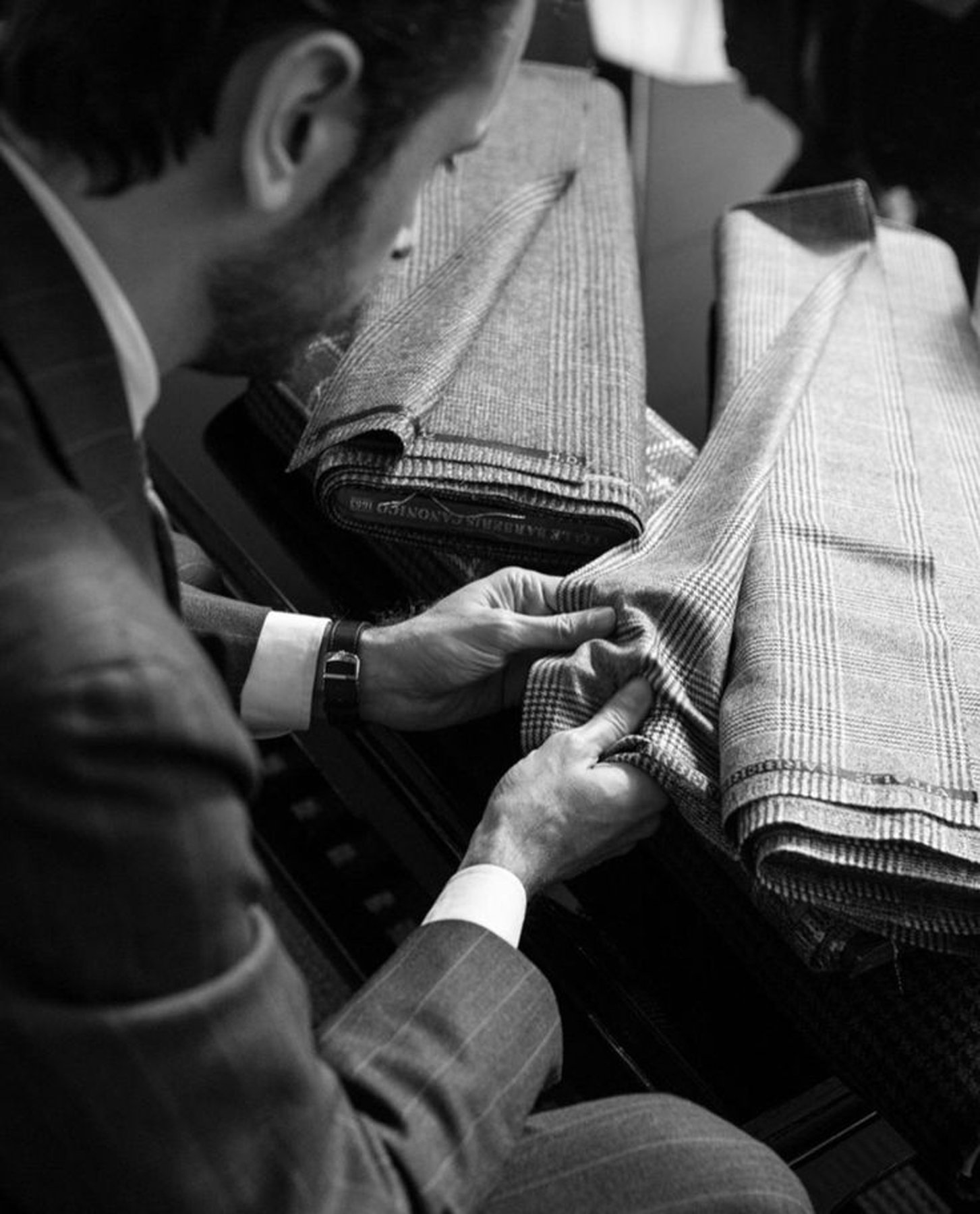
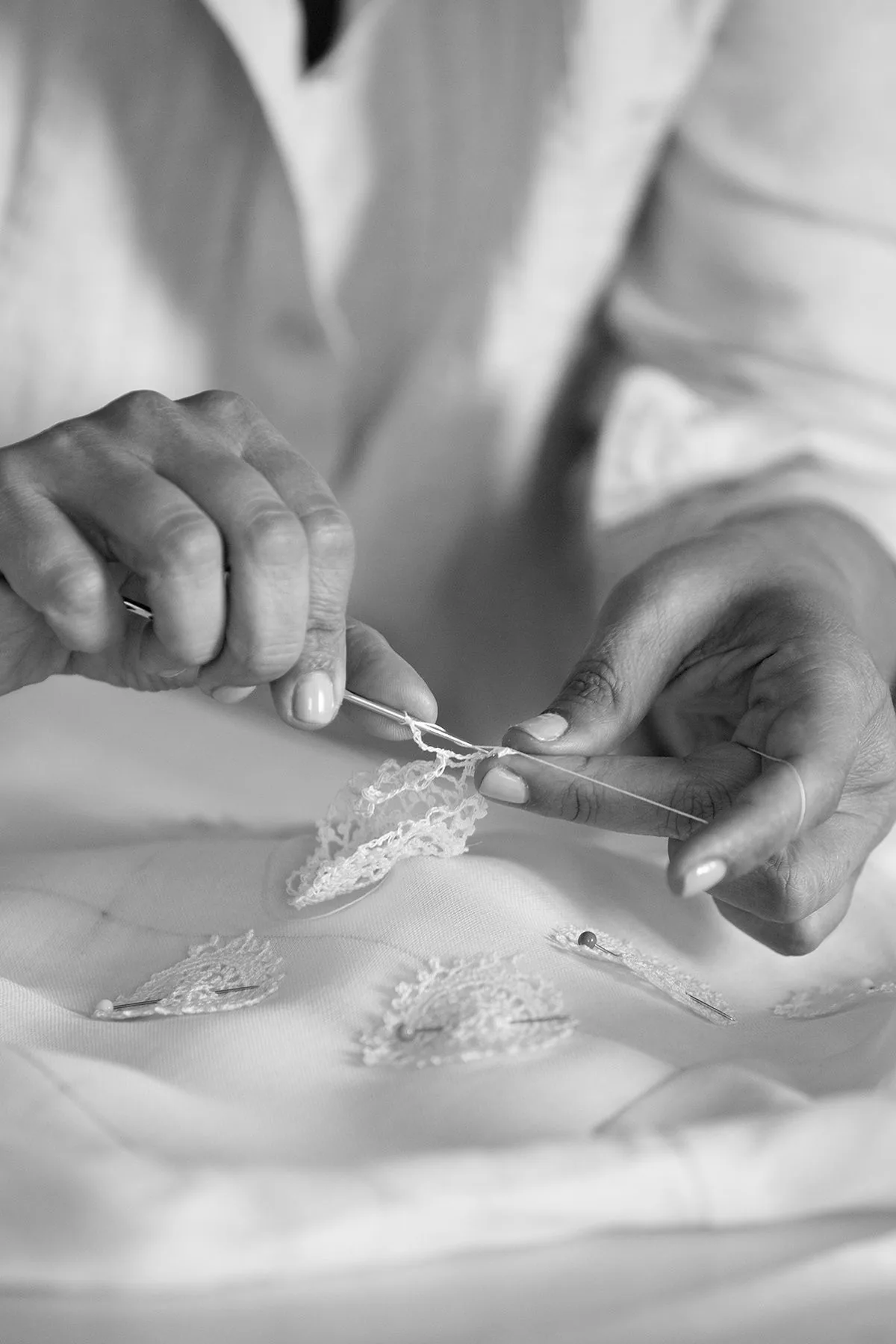
Hand-woven silks - patola, Kanjeevaram, Chanderi, Banarasi - are returned to named weavers or specialist conservators who can rebind, re-pleat and re-strengthen without compromising the weave. Zardozi and gota work is restored by karigars in Lucknow, Delhi and Ahmedabad whose families have held the craft for generations. Chiffons and fine georgettes are hand-washed and re-set under controlled conditions. Leather - Hermès, Bottega, Delvaux, John Lobb - is restored by specialist leather houses in London, Paris and Milan, or at vetted Indian partners we hold long-standing relationships with. Pearls are re-strung in Hyderabad; antique gold is re-polished in Chennai; vintage couture is restored in-house by the Paris or Milan ateliers that made it, where the maison still accepts the piece.
This network is not a directory. It is a set of named relationships, held across years, that is extraordinarily difficult for a principal to build on her own. It is one of the quietest things our atelier offers.
The disciplines of preservation
Preservation is what makes restoration rarer. The pieces that live in acid-free tissue, cotton muslin, archival boxes, cedar-lined cupboards, climate-stable rooms, and private jewellery vaults are the pieces that need the least intervention over time.
Every wardrobe we hold operates under a written care protocol. Each category of garment has its storage specification: temperature, humidity, light exposure, folding method, hanging length, cedar placement, muslin interleaving. Jewellery is held separately, in anti-tarnish compartments, with pearls restrung on a diarised cycle. Leather is conditioned seasonally. Shoes are kept on trees. Nothing is left to the household’s best guess. This is the invisible layer of a wardrobe at this altitude. It is also the layer most often forgotten - until a sari is pulled out for a daughter’s engagement and has not survived its decades well.
How The Luxe Wardrobe holds the second life
Our restoration and preservation practice is held as a standing part of every wardrobe engagement, and as a dedicated service for principals who come to us specifically for the archive. The digital catalogue carries, for every piece, its condition record, its last restoration, its next scheduled check, and the atelier partner responsible for it.
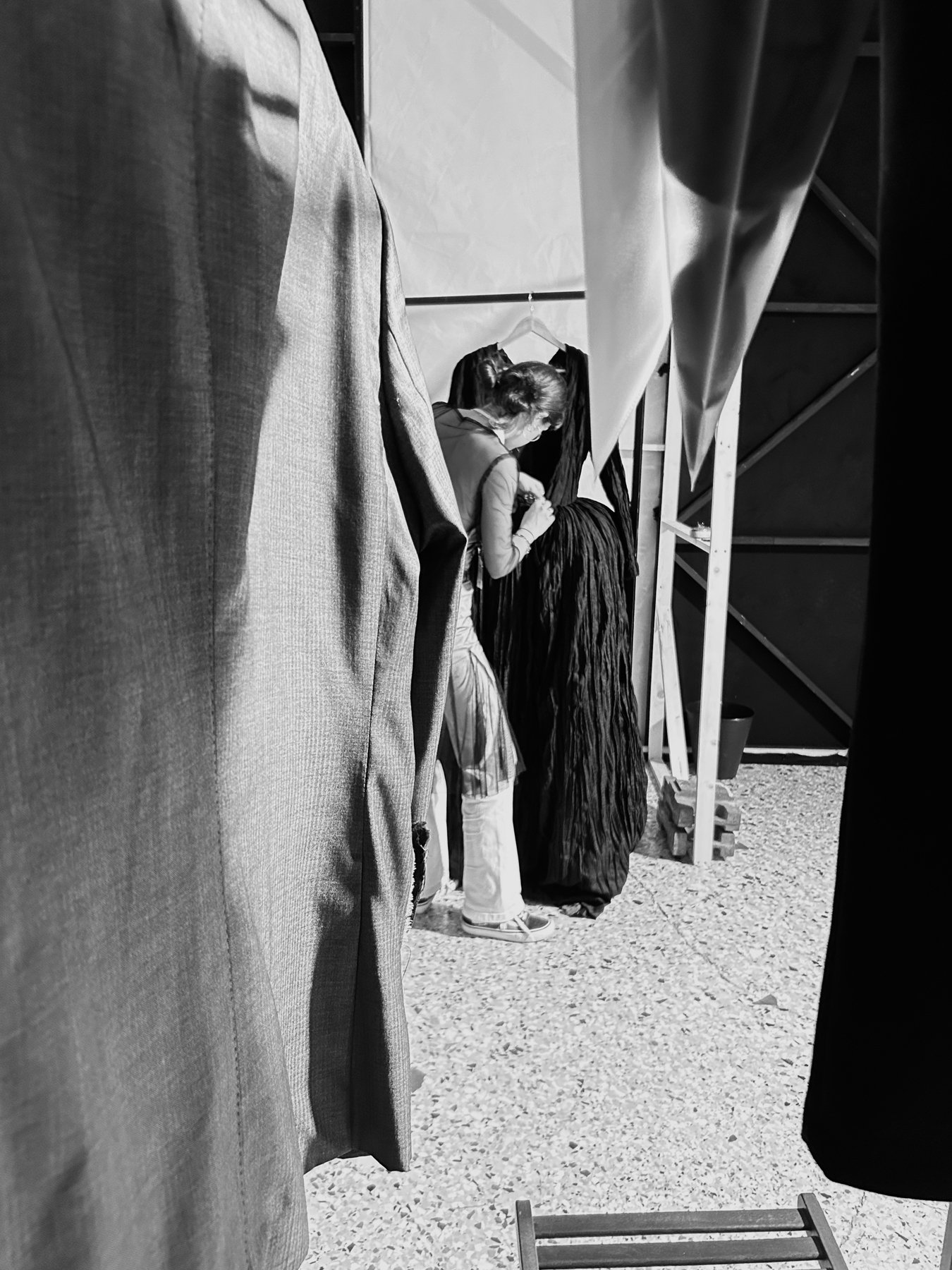
We travel to the residence to collect; we return the piece in person. Nothing of consequence is handed to a courier without supervision. Nothing is returned without being catalogued and photographed. This is the discipline that keeps a closet an archive - and the discipline that keeps the sari in the trunk ready, decades on, to be worn again at the engagement that nobody at the first wedding could have foreseen.
The sari is restored by the Wednesday of the engagement week. Her daughter wears it on the sangeet. The weaver’s grandson has not been told; the atelier will send him a note next month.
This is what a closet, held as an archive, actually delivers. It is also, increasingly, the discipline the mothers of a certain generation have decided their daughters should inherit, together with the sari.
FREQUENTLY ASKED QUESTIONS
1. How do I restore a vintage Patan patola or heirloom silk saree?
Through a specialist conservator or named weaver who understands the specific weave; our atelier coordinates the restoration under written care, with pre- and post-restoration photographs for the family archive.
2. Can my grandmother’s lehenga be restored for my wedding?
In most cases, yes. Zardozi, gota and dabka can be rebound; silks can be re-set; linings can be replaced. The piece is assessed first; restoration timelines run four to twelve weeks depending on condition.
3. How do I preserve a couture gown or Chanel jacket long-term?
Acid-free tissue, breathable garment bags, stable humidity, controlled light exposure, and a seasonal condition check. Most couture pieces benefit from an annual inspection by a specialist.
4. What is proper archival storage for heirloom clothing in India?
Cotton muslin for folded saris, acid-free tissue for embellished pieces, cedar-lined cupboards, humidity below sixty percent, and no direct light. Our care protocol specifies the storage for every category.
5. Can leather handbags like Hermès, Chanel and Bottega be restored?
Yes. Restoration is coordinated with specialist leather houses in London, Paris and Milan, or at vetted Indian partners for lighter interventions. Interior re-lining, hardware polishing and leather conditioning are routine.
6. Who offers heirloom garment restoration services for UHNI clients in India?
The Luxe Wardrobe holds a named network of weavers, karigars, conservators and leather specialists across Mumbai, Delhi, Ahmedabad, Surat, Bengaluru, Hyderabad, Kochi, Chennai and Lucknow, extending to London, Paris, Milan, Dubai, and Singapore.
7. How often should bespoke tailoring be altered or restored?
Alterations are typically diarised every twelve to eighteen months; restoration - relining, re-sewing, lapel re-pressing - every three to five years for a well-made jacket in regular rotation.
8. How do I begin a wardrobe preservation and restoration engagement with The Luxe Wardrobe?
Reach us via https://theluxewardrobe.com/connect/; a private consultation is arranged at your residence or office. The condition audit precedes any restoration proposal.
A private view into new launches, trusted brands, and what’s next.