
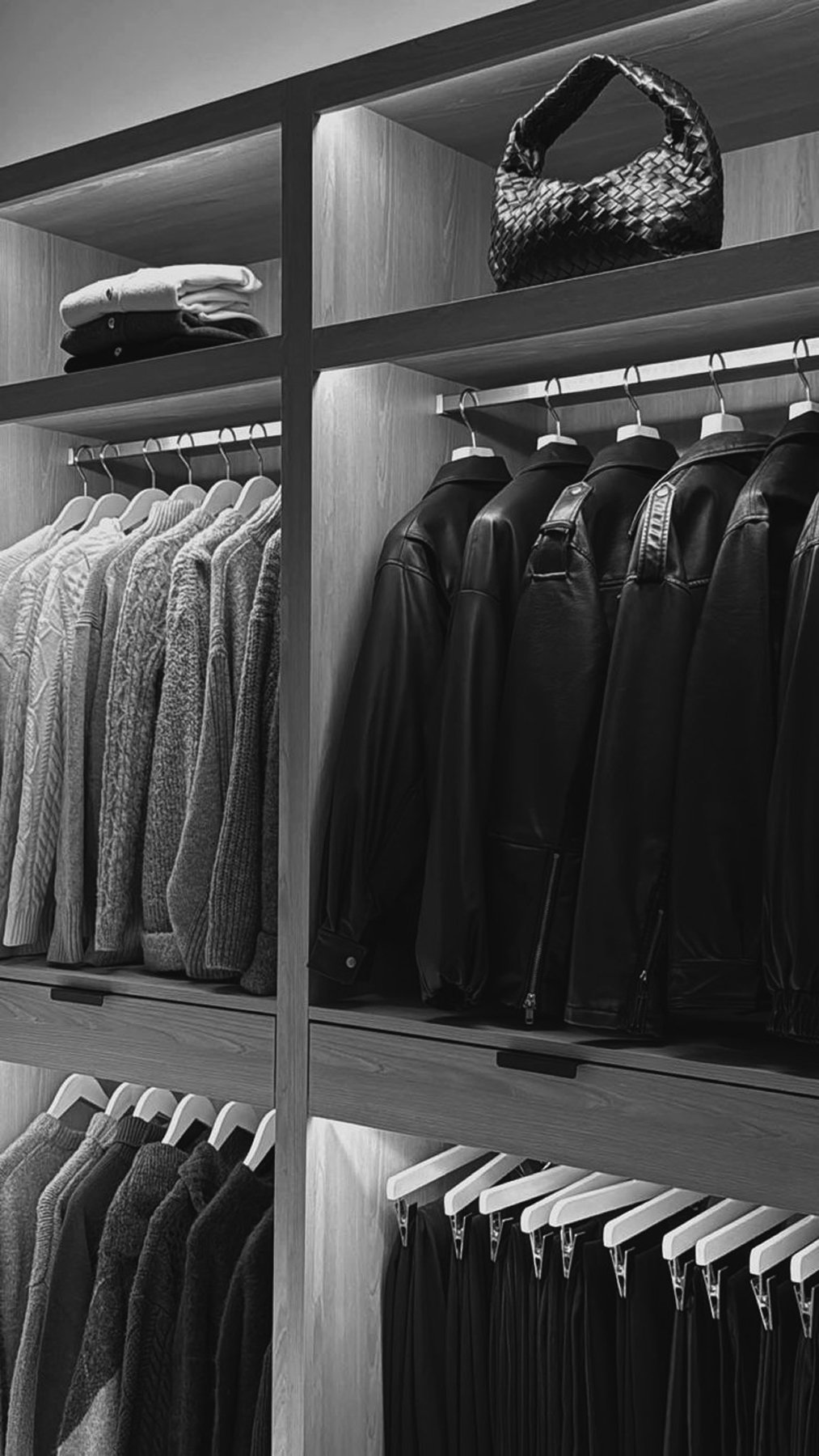
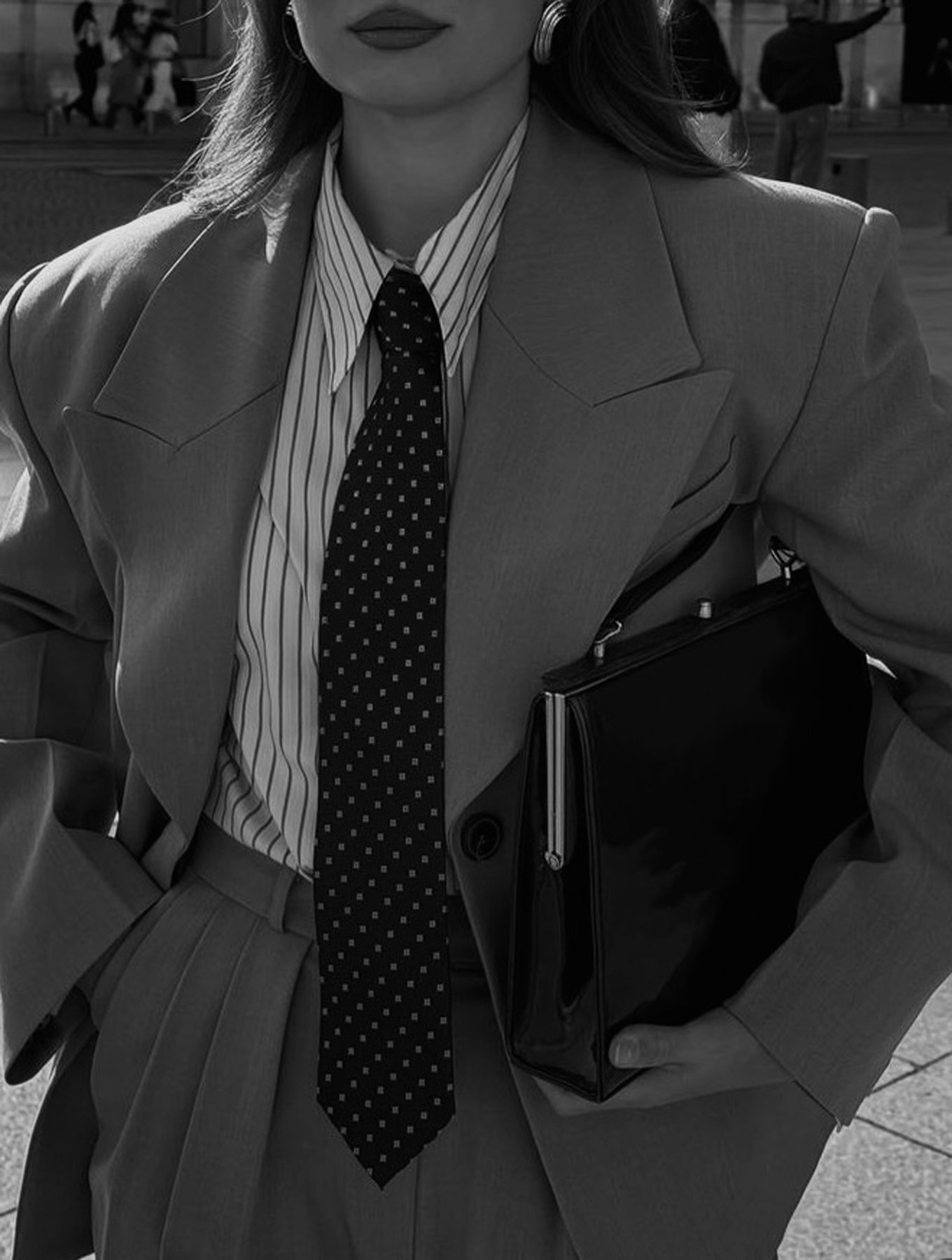
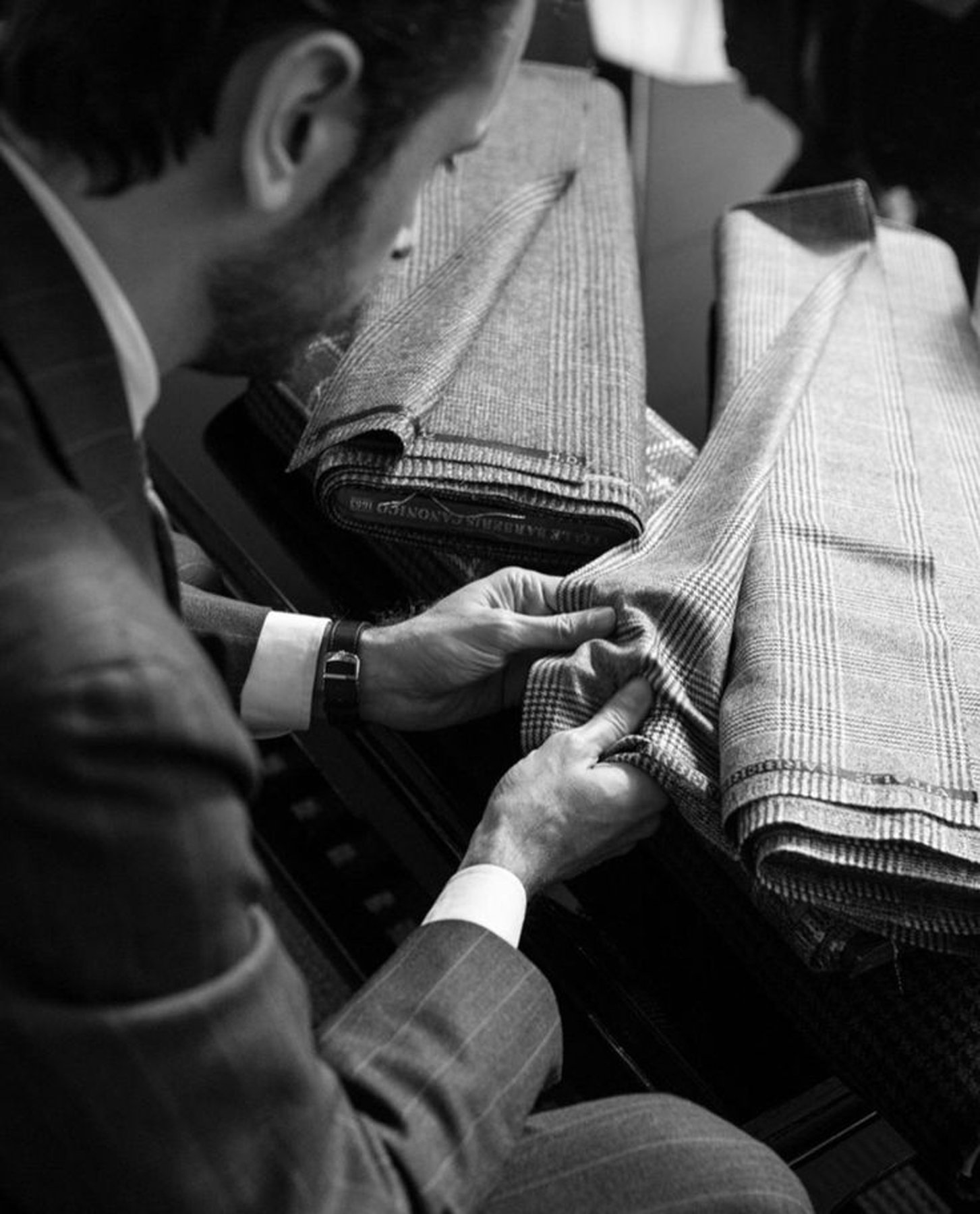
the role of editing in building a long-term wardrobe
Most wardrobes don’t fail because they lack good pieces.
They fail because nothing ever leaves.
Over time, clothes are added for perfectly reasonable reasons. A promotion. A phase of life. A wedding season. Travel. A moment when you felt like becoming someone slightly different. None of this is careless. And yet, the more that gets added, the harder it becomes to get dressed.
Not because the wardrobe is “too much,” but because it has never been asked to make decisions.
We’ve worked with wardrobes that are financially significant, meticulously sourced, and objectively beautiful. Still, the same pattern appears: hesitation every morning. A sense of weight rather than clarity. Familiar clothes that somehow don’t feel useful anymore.
That’s rarely a style problem. It’s an editing problem.
Why Clothes Stay Longer Than They Should
People don’t keep clothes because they’re logical. They keep them because clothes remember things for us.
A jacket from a confident period. A dress from a body you once had. Something expensive that never quite worked but feels wrong to remove. Pieces that sit untouched, waiting for a version of life that hasn’t shown up in years.
You don’t actively decide to keep these things. You simply don’t decide otherwise.
That’s how wardrobes get stuck.
What complicates this is that life changes quietly. Bodies shift. Schedules get fuller. Social roles expand or contract. But wardrobes don’t adjust on their own. They remain built for an earlier context, trying to keep up with a present they no longer reflect.
This isn’t emotional attachment in the dramatic sense. It’s passive accumulation.
When Nothing Is Removed, Everything Competes
A wardrobe with no boundaries creates constant friction.
You stand in front of clothes you technically like, but none of them feel right. Decisions take longer. You second-guess yourself. You change outfits more than once. The wardrobe stops helping.
Shopping becomes equally unclear. You sense that something is missing, but you can’t articulate what. So you buy around the feeling, another dress, another kurta, another blazer, without resolving what’s already there.
This is how wardrobes grow without improving.
When the wardrobe can’t offer clarity, people look elsewhere. Trends. Social media. Mood boards. External cues start replacing internal confidence. Style begins to feel inconsistent, not because it is, but because the wardrobe no longer reflects the life it’s meant to support.
A long-term wardrobe needs leadership. Without editing, it has none.
Letting Go Is Not the Same as Losing
One of the most difficult ideas for clients to accept is that meaning doesn’t disappear when a garment does.
A piece can matter without needing to stay in circulation. Keeping something that no longer fits your body, your routine, or your reality doesn’t preserve its value. It just delays a decision you already understand on some level.
A wardrobe isn’t meant to document your past. It’s meant to serve your present.
What usually remains isn’t what works best, but what feels familiar. Clothes tied to a good chapter. Items you hope you’ll return to. Things you don’t want to admit no longer belong.
That “someday” is rarely intentional. It just stretches on.
Editing isn’t about owning less. It’s about removing what creates noise. When that happens, something shifts quickly. You stop negotiating with your clothes. You stop explaining choices to yourself. What’s left begins to feel aligned.
And alignment builds trust.
What Happens After Editing
Once excess is addressed, structure doesn’t need to be imposed. It becomes visible.
You start noticing patterns you couldn’t see before. What you reach for repeatedly. What works across contexts. What supports long days, travel, leadership roles, family commitments, and cultural moments without effort?
At this point, dressing becomes simpler, not because the wardrobe is small, but because it’s coherent.
This is why edited wardrobes make everything else easier. Travel packing stops feeling chaotic. Festive dressing becomes intentional instead of reactive. Luxury purchases feel considered rather than impulsive. Presence becomes consistent because the wardrobe isn’t pulling you in different directions.
None of this works without discernment.
How THE LUXE WARDROBE Approaches This
At THE LUXE WARDROBE, editing is not rushed and never aggressive.
We begin by understanding how the client actually lives now, not how they lived five years ago, and not how they think they should live. Every piece is assessed for fit, function, frequency, and relevance. Some items are released. Others are refined. Many are simply repositioned so they start working harder.
The goal is not reinvention. It’s recalibration.
We don’t introduce trends or impose an aesthetic. We restore order so personal style can function quietly, across professional, social, cultural, and travel settings, without needing constant intervention.
The Real Outcome
Clients rarely describe this work as dramatic. They describe relief.
Mornings become quicker. Shopping becomes deliberate. The wardrobe feels responsive instead of overwhelming.
Nothing feels missing. Nothing feels excessive. That’s the difference between accumulation and longevity.
A private view into new launches, trusted brands, and what’s next.