

Inside a Personal Styling and Personal Shopping Experience at The Luxe Wardrobe
There is a moment most of our clients describe to us, almost word for word, when they explain how they came to work with a personal stylist; the moment of standing inside a beautiful store, with a beautiful credit card, and feeling nothing. The clothes are lovely. The service is impeccable. The tea has been offered. And yet, there is a low, persistent unease that the hour spent will result in another dress that hangs in the closet unworn, another jacket that never quite works with the trousers it was supposed to complement, and another pair of shoes that photograph better than they walk. Money spent, but the wardrobe is no closer to being what it is supposed to be.
This is the problem that a personal stylist actually solves. Not the problem of access, because our clients have access to everything. Not the problem of the budget, because the budget is not the constraint. The problem is coherence. The problem of a wardrobe that has been built one impulse at a time over ten years and does not add up to anything. A personal styling engagement is the slow, quiet work of making a wardrobe add up.
What personal styling actually is at this level
The phrase personal styling means a great many things in India today, and most of them are not what we do. The Instagram version is a well-lit reel of a stylist pulling clothes off a rack for a red-carpet client. The mall version is a helpful attendant guiding a customer through the season's new arrivals. Both have their place. Neither is what happens when a client engages The Luxe Wardrobe for a personal styling assessment.
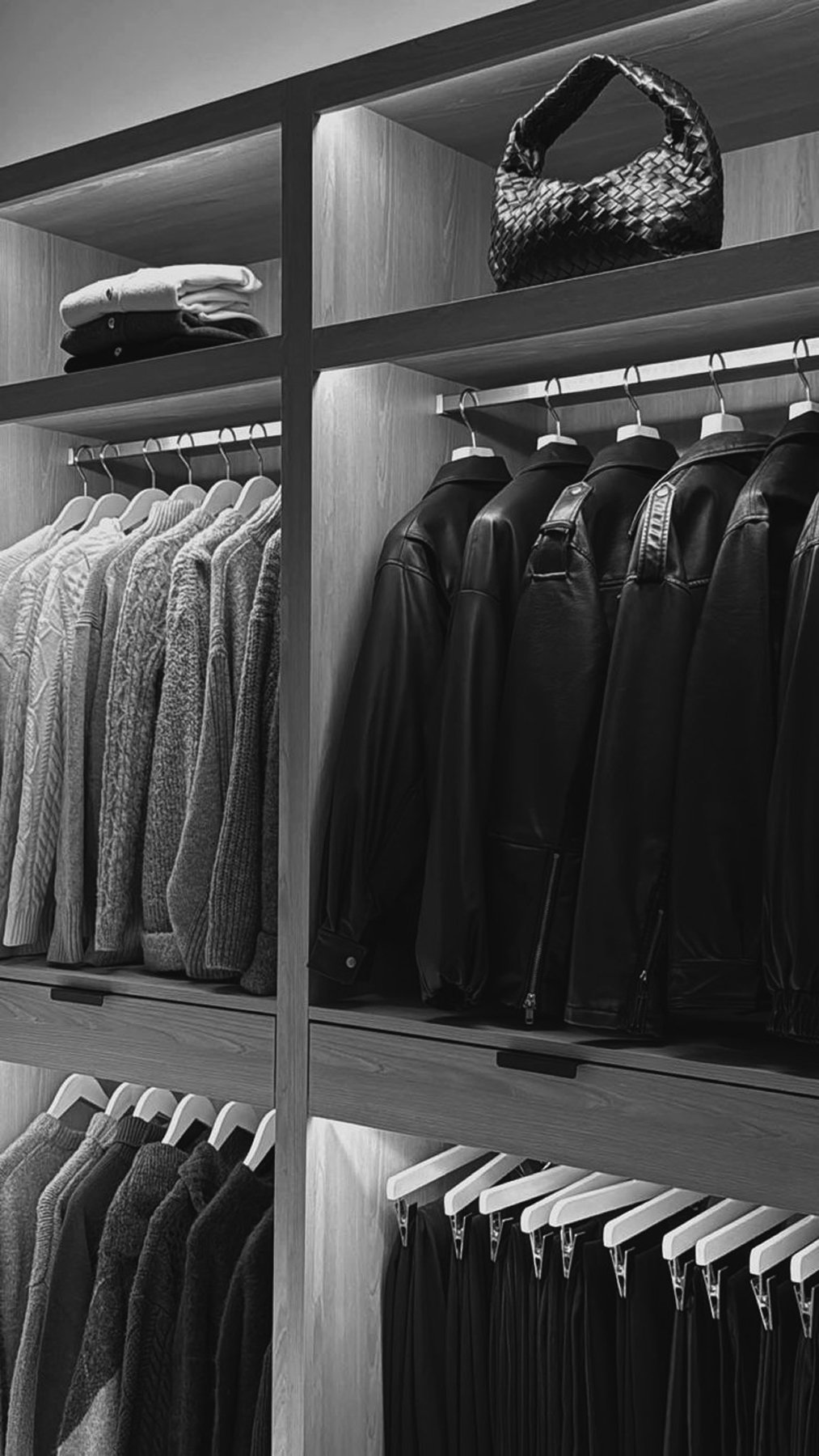
What we do begins in the client's home, not in a store. It begins with the wardrobe as it exists, laid out honestly. Every piece pulled. Every piece assessed. Not by taste - because taste is subjective and our client's taste is not on trial - but by three practical questions. Does it fit the life the client is actually living now, not the life he was living five years ago? Does it work with at least three other pieces in the wardrobe? And when was it last worn, honestly, not aspirationally?
The answers to those three questions do most of the editing. What remains is a smaller, clearer wardrobe. What is missing is a clearer list of what needs to be acquired. And what emerges is a document we call the style architecture; a written articulation of the client's silhouette preferences, palette, fabric tolerances, occasions across the year, and non-negotiables. This is the foundation of everything that follows.
The private shopping day
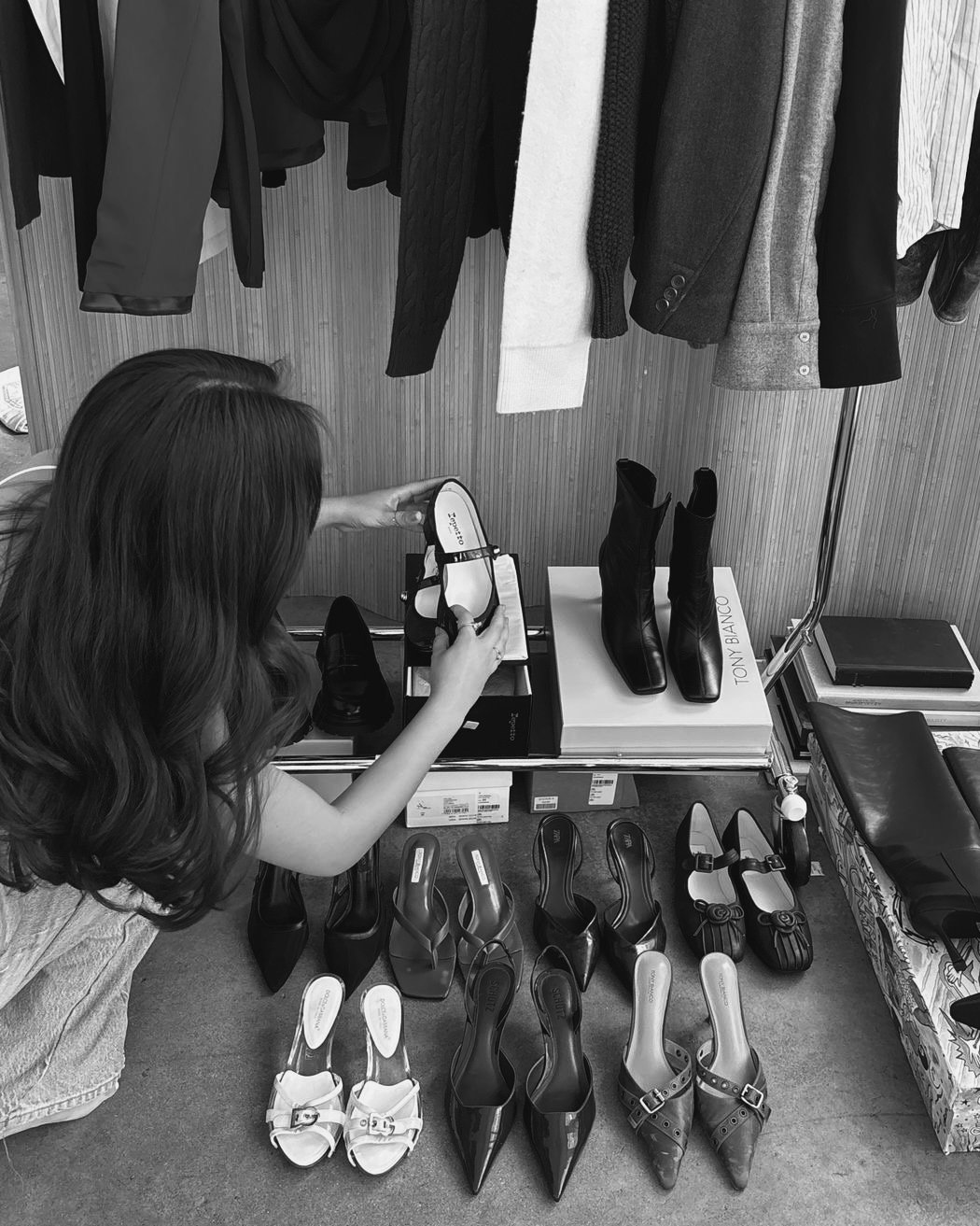
Once the architecture exists, the shopping becomes an entirely different activity. It is no longer a stroll through a mall or a browse through an e-commerce site. It is a curated itinerary; a private appointment at Aza, a scheduled visit to Le Mill, a preview of Ensemble's new arrivals before they hit the floor, a fitting at a Sabyasachi flagship, a trip to a favoured atelier in Bandra where the master tailor already knows the client's shoulder line. Refreshments arrive. The stylist has pre-selected. The client tries what has been chosen for her; nothing more, nothing less.
A personal shopping day with The Luxe Wardrobe rarely involves more than three or four stops. It ends by lunch. And the client leaves with a small number of pieces that fit into the architecture - a jacket that works with four things she already owns, a pair of trousers that solve a specific gap, a saree in a colour she had never considered but that photographs beautifully on her skin tone. She has not spent the day. She has not returned home exhausted. She has bought less than she would have bought on her own, and it will all be worn. That, in our vocabulary, is a successful shopping day.
International sourcing and the atelier network
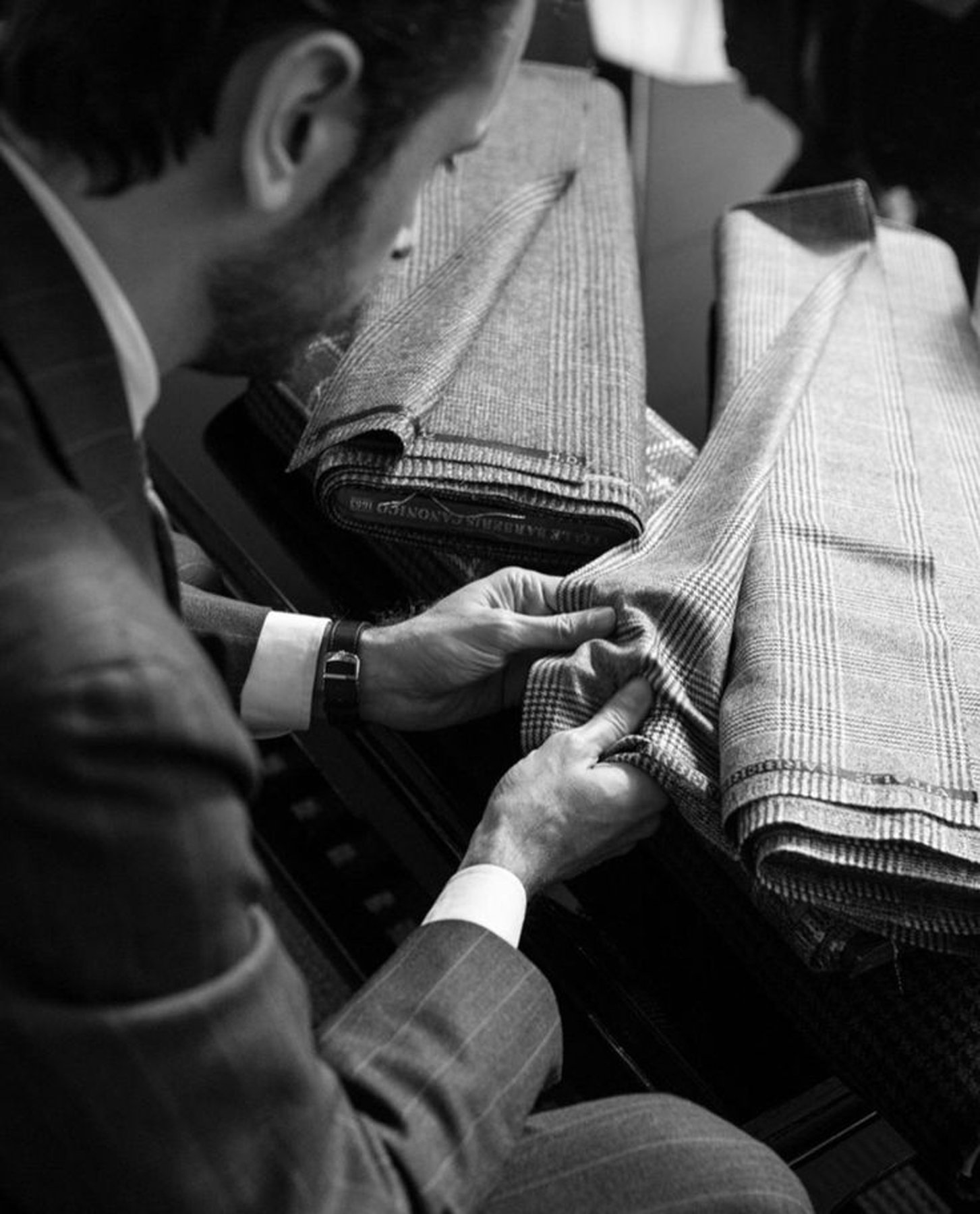
For clients with an international wardrobe requirement, personal shopping extends beyond India. We work with a small network of trusted contacts in Milan, Paris, London, and Dubai who can source what is needed without the client having to travel for it. A pre-fall Bottega Veneta bag before it appears on the website. A pair of Manolos in a specific size the store did not have. A bespoke commission at a Savile Row tailor for a client's husband who cannot get to London before an important quarter. This is not concierge glamour. It is quiet, patient logistics that most clients would not have the time or inclination to manage themselves.
The India network is deeper still. Every serious designer we work with has an account manager who knows our clients by name. Ateliers hold pieces back for previews. Trunk shows are arranged privately. Fabric samples arrive at the client's home rather than the other way round. None of this is remarkable in the sense of being unusual; all of this is the standard of service that a wardrobe management practice quietly maintains on behalf of its clients.
What separates a stylist from a personal shopper
A personal shopper at a luxury store is doing the store's work; helping a customer choose from the store's inventory. A personal stylist is doing the client's work; helping her build a wardrobe that serves her life. The distinction matters, because the incentives are different. A personal shopper who does not sell is not a personal shopper for long. A personal stylist who sells too much has failed her client. This is why our engagement fee is separate from any purchases made; we have no interest in the client buying more, only in her buying better.
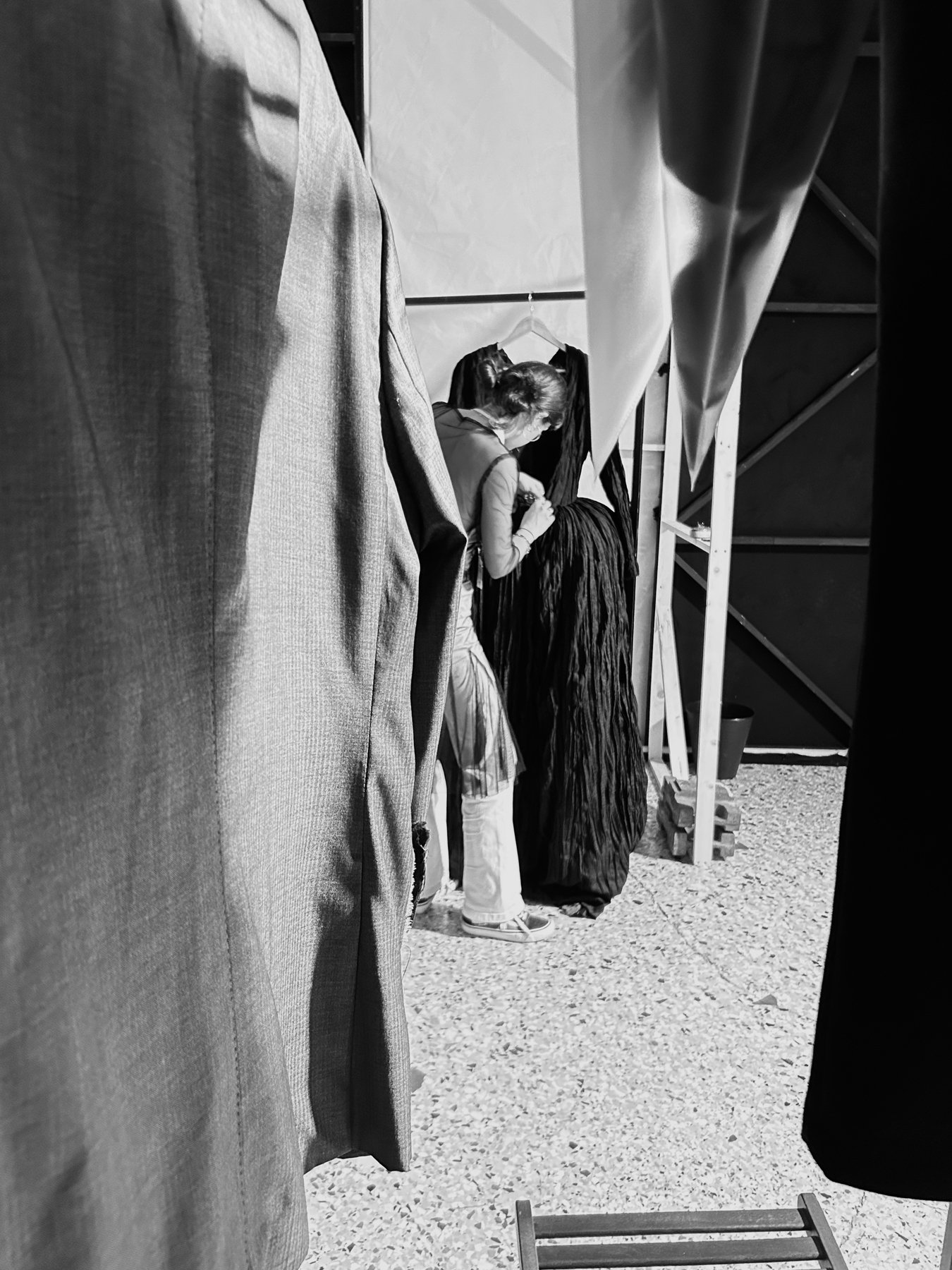
The other distinction is time. A shopping session with a store's personal shopper begins and ends in the store. A personal styling engagement with us continues after the shopping day. The pieces are integrated into the wardrobe, photographed, catalogued, and connected to the pieces already there. Outfits are documented so the client can find them again months later. Care instructions are recorded. Alterations are managed. The purchase is not the end of the work; it is the middle.
For every kind of wardrobe, every kind of life
Our clients are not one kind of woman. They include the founder of a fintech company who wants a wardrobe that reads as authoritative on stage and human at Sunday brunch. The lawyer who has stopped enjoying her own closet since she made partner. The industrial family's matriarch preparing for a granddaughter's wedding, who does not want to look like she is trying and does not want to look like she is not. The venture capitalist's wife who has spent two decades dressing beautifully and now wants to spend the third decade dressing intelligently. Every wardrobe is different. Every engagement is different. The methodology is the same.
We work with men as well as women, though the ratio remains largely female. Corporate styling engagements - a subject we take up in a separate piece - often begin with the founder himself and then extend to his leadership team. The philosophy does not change; only the palette and the silhouettes do.
The outcome nobody talks about
What clients tell us, six months into an engagement, is not that they are better dressed. They usually already were. What they tell us is that getting dressed has become quiet. The morning is no longer a negotiation. The wardrobe no longer contains any orphans. The credit card statement no longer contains apologetic little purchases from Zara. The travel packing no longer takes ninety minutes. Getting dressed has moved from a source of low-grade friction to a source of small daily pleasure. That, in the end, is what a wardrobe well-managed by a personal stylist actually delivers. Not a better wardrobe. A quieter life.
Frequently Asked Questions
What does a personal styling engagement with The Luxe Wardrobe include?
A home visit and full wardrobe audit; a written style architecture document; a curated private shopping day with pre-selected pieces at three or four ateliers or boutiques; wardrobe integration and outfit documentation after the shopping; and ongoing access to our team for edits, refreshes, and occasion styling through the year. Engagements can be one-time or annual, depending on the client's rhythm.
How is personal shopping through TLW different from going to the store myself?
The store's incentive is to sell from its inventory. Ours is to build a wardrobe that works. A shopping day with us begins with pre-selection, not browsing; you try what has been chosen for you, in the order it makes sense, at ateliers where relationships already exist. It is shorter, less tiring, and results in fewer but better purchases. And our fee is separate from any purchases made, which means our incentive stays aligned with yours.
Do you source internationally or only within India?
Both. India remains the deepest network - Sabyasachi, Manish Malhotra, Anamika Khanna, Rahul Mishra, Torani, Raw Mango, and dozens of ateliers across Mumbai, Delhi, Bangalore, Hyderabad, and Kolkata. International sourcing is available through trusted partners in Milan, Paris, London, and Dubai for European luxury and bespoke commissions.
Is personal styling only for special occasions or also for everyday wardrobe?
Both, and the everyday wardrobe is arguably where our work matters most. Occasion wardrobes get planned regardless. The everyday wardrobe is where most clients feel the fatigue - the morning of getting dressed, the workday to weekend transition, the travel pack, the last-minute dinner. A considered everyday wardrobe is what makes the occasion wardrobe possible.
Do you work with men as well as women?
Yes. Our male clients are typically founders, senior executives, and industrialists who want a professional wardrobe that reads correctly across their working life without requiring them to think about it. The engagement follows the same architecture; the palette, silhouettes, and atelier network differ.
How much does personal styling with TLW cost, and how is it structured?
Engagements are structured as fixed fees for defined scopes - a wardrobe audit, a personal shopping day, an annual retainer - rather than commissions on purchases. Fees are shared privately with each client after a first conversation. This is intentional; we want the fee structure to make it clear that our loyalty is to the wardrobe, not to any store.
A private view into new launches, trusted brands, and what’s next.