
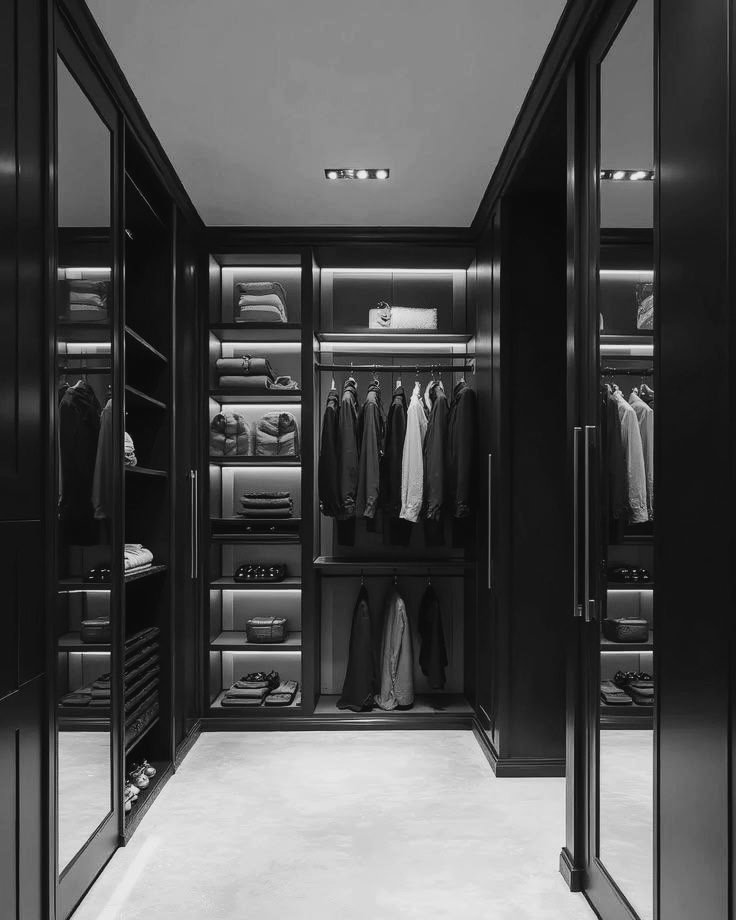
Office, Gym, Polo, Black-Tie: The Four Wardrobes Inside Every Senior Man's Closet, And How They Should Actually Live
The cupboard of a senior man in India is rarely one wardrobe. It is, in practice, four. There is a wardrobe that runs the office. There is the wardrobe that runs the 6 AM gym session at the Trident or the 7 AM court at the Club. There is the wardrobe for Sunday, polo at Mahalaxmi, a lunch at the Bombay Gymkhana, and an afternoon at the farmhouse outside Delhi. And there is the wardrobe for the night that needs a dinner jacket and the right studs.
In most homes, all four of these are hanging in the same eighteen feet of cupboard, in approximately the order they were last put back. This is the single most common reason we are called.
How a multi-life wardrobe should be set up
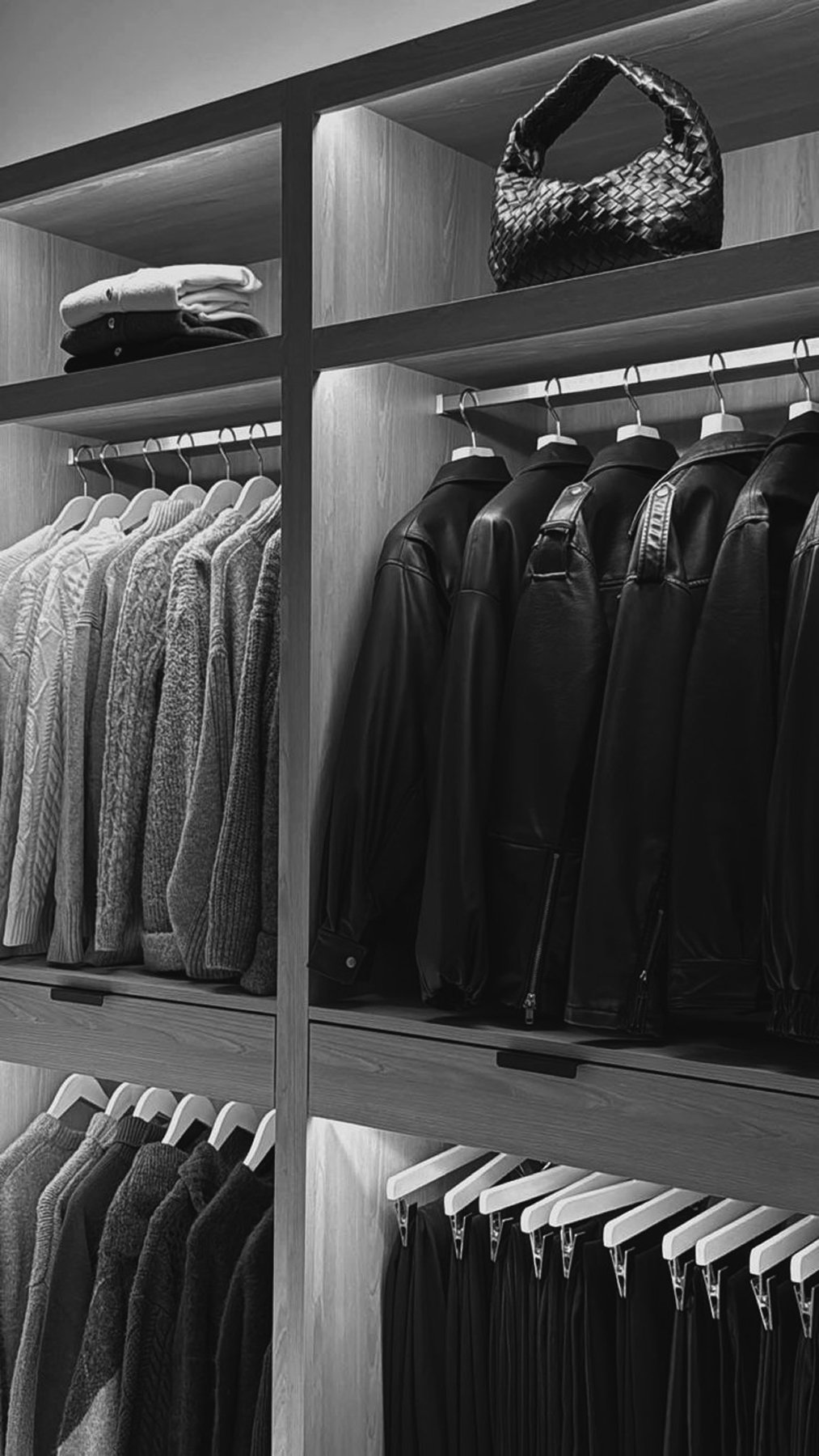
The first principle is segregation by use, not by colour. Office tailoring lives together: suits, shirts, ties, formal shoes within reach. Gymwear and athleisure have their own zone, ideally near the bathroom, on open shelving rather than hangers, with fabrics chosen for breathability and rotated weekly. Sportswear, tennis whites, polo whites, and riding gear sit separately, because they have their own care cycle and season. Black-tie and ceremonial pieces live at the deep end of the closet in garment bags, because they are worn less often and need protecting from light and dust between outings.
Within each zone, the second principle is colour, weight, and occasion. Whites left, deeper tones right. Lighter weights forward for the current season, heavier weights archived. Daytime pieces grouped, evening pieces grouped.
What goes where, specifically
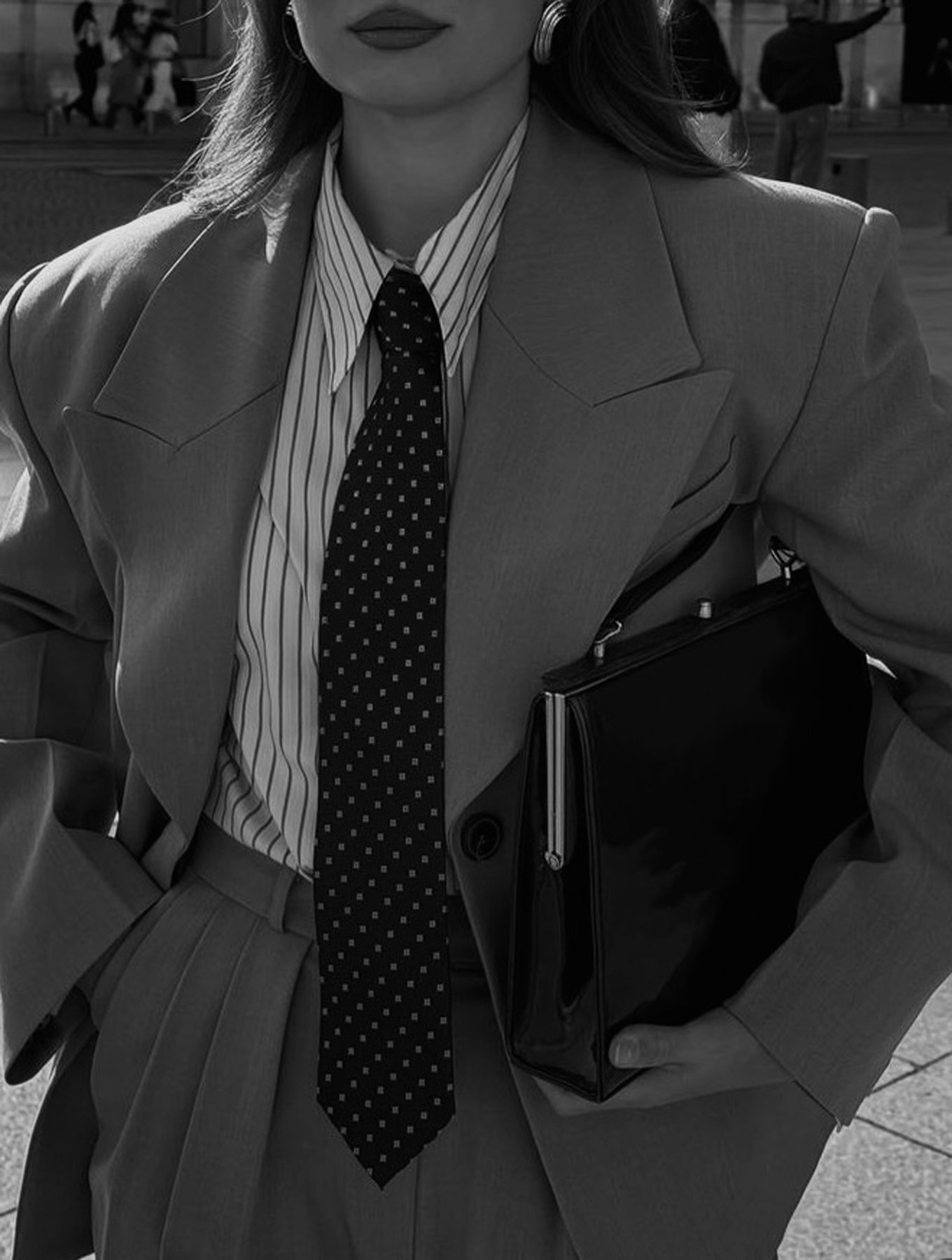
Office shirts on padded wooden hangers, two fingers apart, colour-graded. Suits on contoured hangers with trousers hung clip-down beneath. Bandhgalas in cotton garment bags between wears, with a small acid-free tissue insert at the collar. Polo and tennis whites are folded with tissue between layers to prevent yellowing. Gymwear on open shelving, breathable, rotated every two days because cotton blends do not appreciate consecutive wear. Black-tie pieces, the dinner jacket, the trousers, the studs box, the patent shoes, are stored together as a single set, so the look is collected, not assembled.
Shoes get their own conversation. Formal leather on cedar shoe trees is inserted while the shoe is still warm from the day, which draws moisture and holds shape. Polished on a fixed weekly rhythm, conditioned monthly. Sneakers and trainers are stored separately, never with the formal leather, because rubber off-gases and dulls the polish. Riding boots, polo boots, and any sport-specific footwear are archived in their own labelled boxes with silica.
Why the segregation actually matters
A senior man dresses three to five times a day. He cannot afford the office shirt to be next to the gym tee, the polo whites to be folded into the tennis whites, the dinner studs to be loose in the same tray as the everyday cufflinks. The friction of a disorganised closet is paid in time, in decisions, and ultimately in clothes that are owned but unworn because they cannot be found.
The best wardrobe management and personal styling services in India build the segregation first, then run it. We label nothing visibly; the closet does not look like a system. It looks like a closet. It simply behaves like a system.
At The Luxe Wardrobe, this is the rhythm we set up and then keep. Four wardrobes, one cupboard, no friction.
For a wardrobe that works across every part of your day, explore our wardrobe management service and our editorial on the founder whose wardrobe runs itself.
A private view into new launches, trusted brands, and what’s next.