
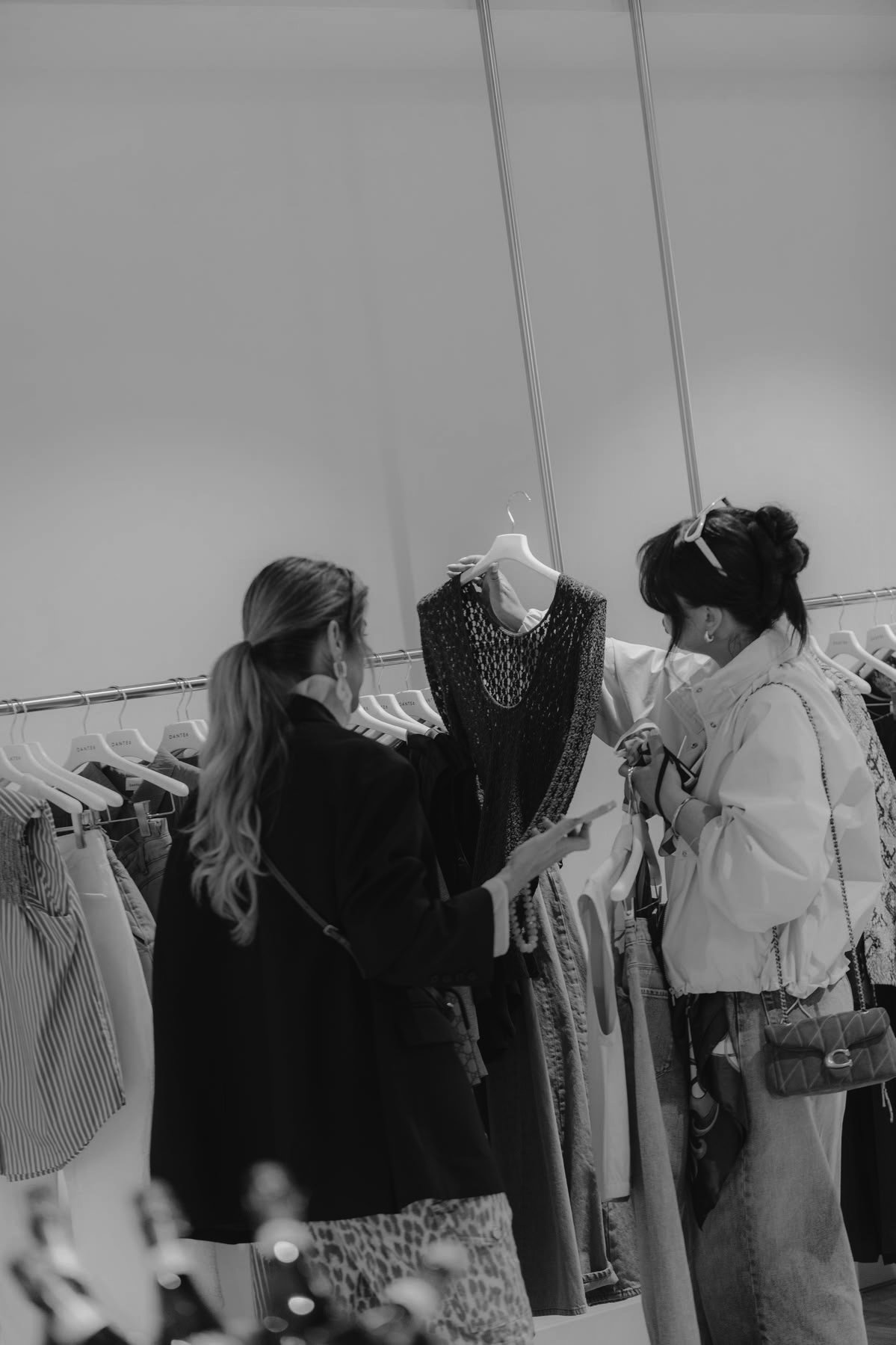
Before the Wardrobe Speaks: Colour Analysis as the First Line of a Considered Life
There is a moment, in almost every wardrobe audit we conduct, when the client stops us and says something like the following. That green - I have three versions of it. I keep buying it and I never quite wear it. Why is that.
The answer, almost always, is colour.
What most of us learn accidentally
Not the colour of the garment, precisely, but its relationship to the person wearing it - its undertone, its intensity, its contrast against the client's own skin, hair, and eyes. What most of us learn about colour, we learn accidentally. We buy what a magazine advertised beautifully; what a designer photographed well on a model; what a friend recommended in a shop.
We do not, as a rule, buy against a framework. We buy against a feeling. And so we accumulate the greens that never quite work, the blush pinks we never take out of the wardrobe, the deep burgundies we bought for a season and never wore into a room.
Colour analysis, done properly, is the single most clarifying intervention a wardrobe can receive.
The forty minutes
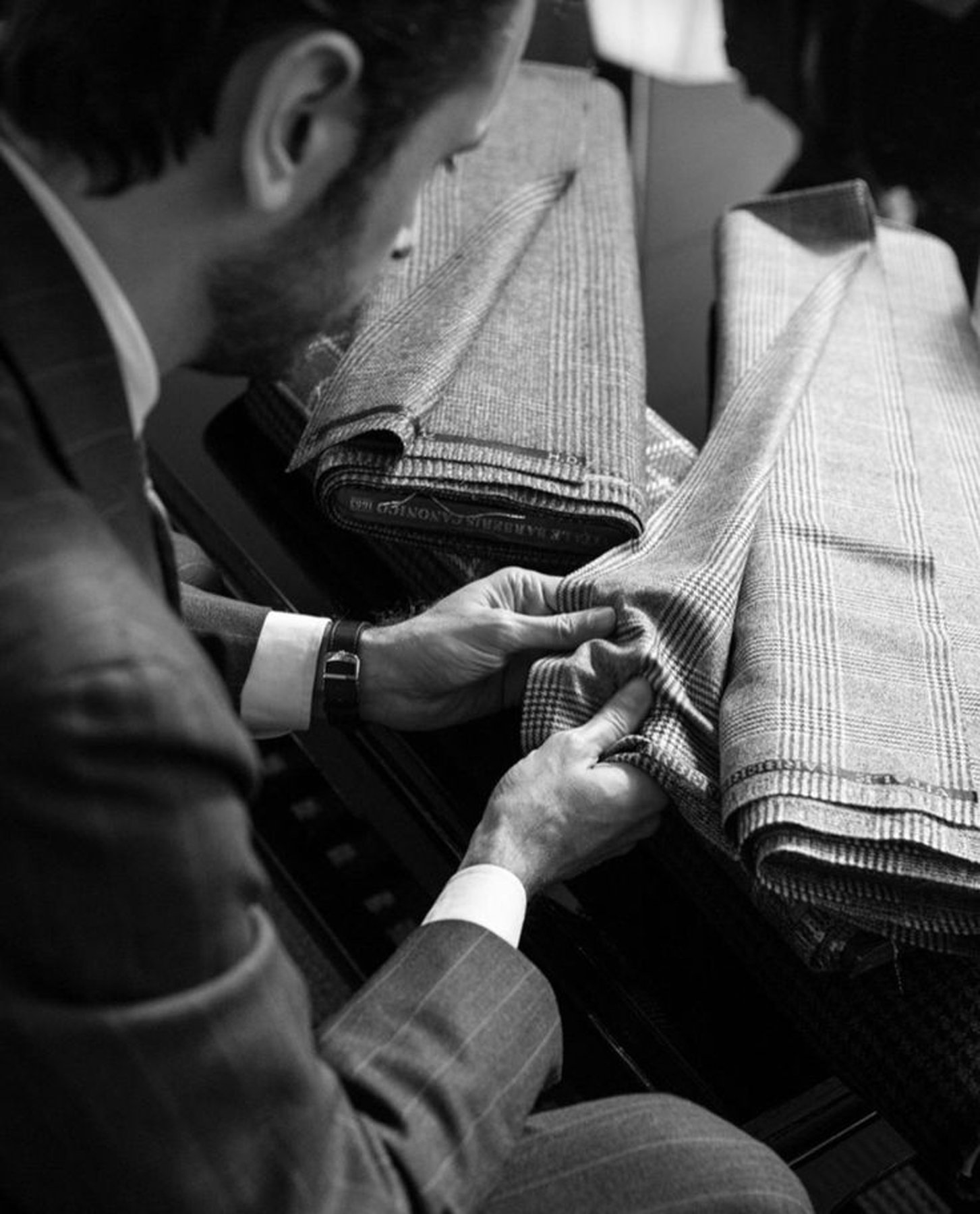
The mechanics of a colour analysis session at our atelier or the client's residence are straightforward. The client is seated in natural north-facing light. We drape a sequence of fabric panels - warm and cool, muted and saturated, high-contrast and low-contrast - across the client's chest and observe, quietly, what the skin does.
The right palette makes the skin appear luminous; the eyes brighten; the face reads as rested. The wrong palette does the opposite, and does it visibly. Within forty minutes, we have arrived at a defined season within the twelve-season framework, along with the specific sub-palette that will be developed into the client's working colour architecture.
The palette booklet
The colour analysis is not the deliverable. The deliverable is what happens afterwards - across three conversations and one wardrobe walk.
First, we compose the palette booklet: a fabric-swatch book that names, precisely, the greens that will work on the client, the blush pinks that will not, the specific navies that will read as beautiful and the ones that will read as tired. This booklet travels in the client's handbag on shopping trips at Sabyasachi's Mehrauli atelier, in Chanakya, at Bergdorf's in New York, or the Galeries Lafayette in Paris.
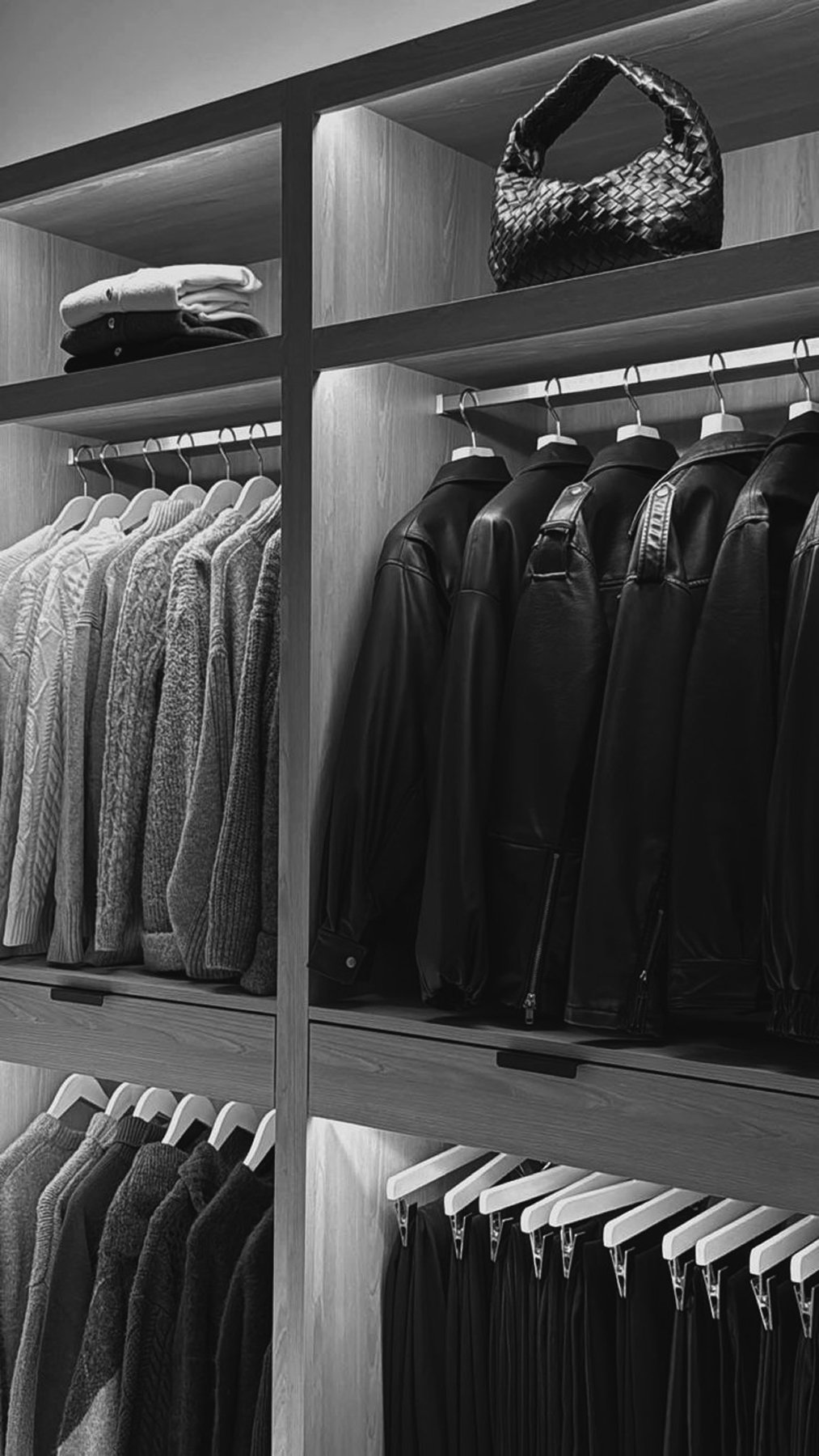
Second, we do a full wardrobe walk against the palette. Pieces are separated into three categories: those within the palette that should be worn more; those adjacent to the palette that can be styled around; and those outside the palette that either need to be edited out or reconsidered. This is often the most emotional part of the process. Clients realise that half of their unworn wardrobe is unworn for a reason they have never named.
Third, we set the buying framework. Going forward, purchases will be composed against the palette, not against instinct.
How photographs shift
Over the next twelve months, we see, without exception, a reduction in wardrobe volume, an increase in wardrobe use, and a discernible shift in how clients photograph.
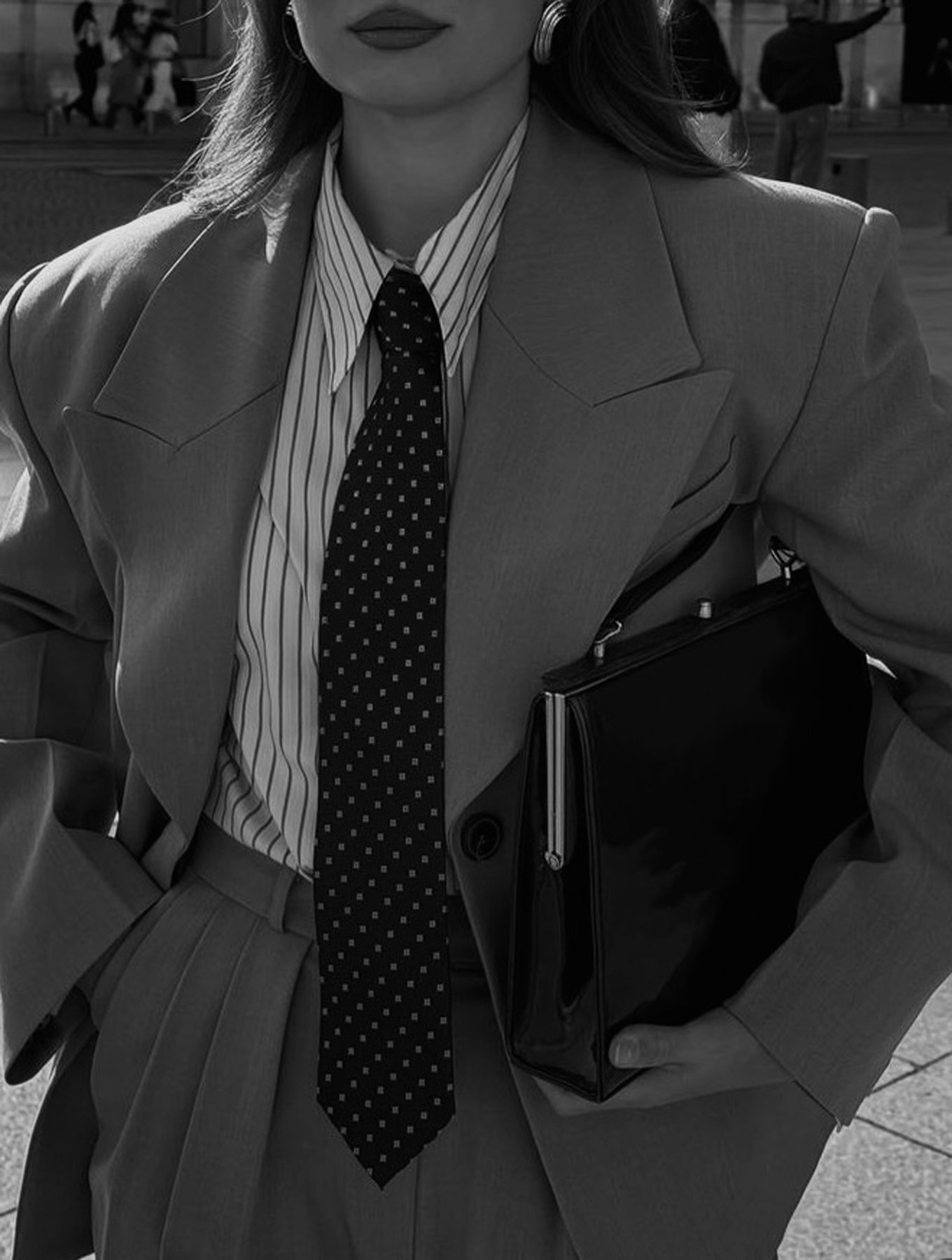
This last effect is worth naming. In the professional lives of our HNI and UHNI clients - where a photograph might appear on a Vogue India spread, a Forbes cover, a board announcement, a foundation gala - the palette is the difference between a photograph that feels like the client and one that feels like them wearing something. The right green, in the right light, in the right cut, produces an image that reads as authentic. The wrong green, even in a beautiful cut, produces the small visual dissonance a viewer cannot name but registers.
For clients in Mumbai, Delhi, Hyderabad, Bangalore, and internationally, colour analysis at The Luxe Wardrobe is offered as a standalone engagement or, more often, as the first movement of a fuller wardrobe management arc. It is a small ceremony, held in good light, that returns clarity to something most people have quietly known was clouded. Which is to say: it is the beginning.
Frequently Asked Questions
What is colour analysis and how does it work?
A stylist drapes a sequence of fabric panels across the client to identify the seasonal palette that most flatters undertone, contrast, and features. Sessions at The Luxe Wardrobe take approximately forty minutes.
Where can I get a personal colour analysis in Mumbai or Delhi?
The Luxe Wardrobe offers personal colour analysis in Mumbai, Delhi, Bangalore, Hyderabad, and internationally, at your residence or office.
How is colour analysis different from personal styling?
Colour analysis identifies the palette that suits the client; personal styling composes the wardrobe within that palette. We integrate the two.
What do I receive after a session?
A fabric-swatch palette booklet within ten days, a full wardrobe walk against the palette, and a defined buying framework for all future purchases.
Does colour analysis really change how I dress?
Yes. Clients typically report reduced wardrobe volume, higher wardrobe use, and improved photograph presence within six months.
A private view into new launches, trusted brands, and what’s next.