

Boardroom by Morning, Ballroom by Night
There is a Tuesday in October - an 8 AM board meeting at a Bandra Kurla Complex family office; a noon lunch at the Trident BKC with foreign private-equity partners; a four p.m. drop-in at the family philanthropic trust in Colaba; an eight p.m. gala dinner at the NCPA for a museum patron circle whose invitations arrived in cream envelopes six weeks earlier. One woman. One day. Four wardrobes, if the wardrobe is not built properly. Or one carefully engineered wardrobe, if it is.
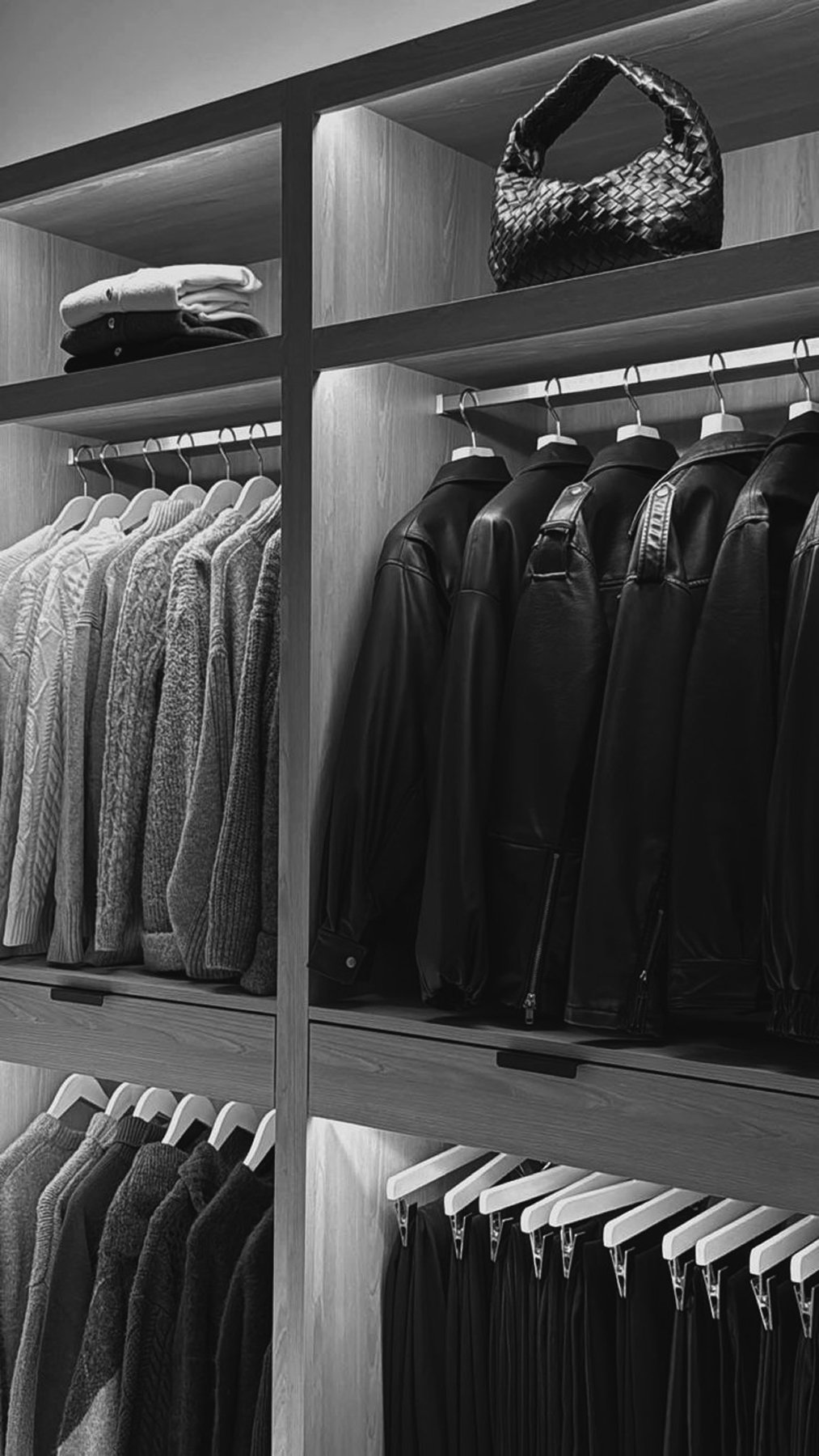
The public life of a UHNI woman - the woman running a family business, chairing a foundation, sitting on the board of an art museum, appearing quarterly in the business press, is not organised around a single register. It moves across boardroom, philanthropic gala, family function, gallery opening, private dinner, and public appearance, sometimes across a single day, always across a single season. And the wardrobe that serves this life is not built the way the styling industry currently builds wardrobes. It is not a capsule; it is an ecosystem.
The Public Calendar
A representative UHNI year for such a woman might include twelve board meetings, four to six industry conferences (some in Davos, Cannes Lions, or the Aspen Ideas Festival), a dozen philanthropic events (art auctions at Christie's and Saffronart; openings at the CSMVS, KNMA, or Jehangir; hospital foundation dinners), thirty to forty social engagements, five to ten media appearances, and eighty to a hundred smaller entertainments. Each of these has a wardrobe language, and the languages do not intersect neatly. The boardroom is not the museum opening; the museum opening is not the family sangeet; the sangeet is not the private view at Christie's; the private view is not the magazine cover shoot.
Pieces That Translate
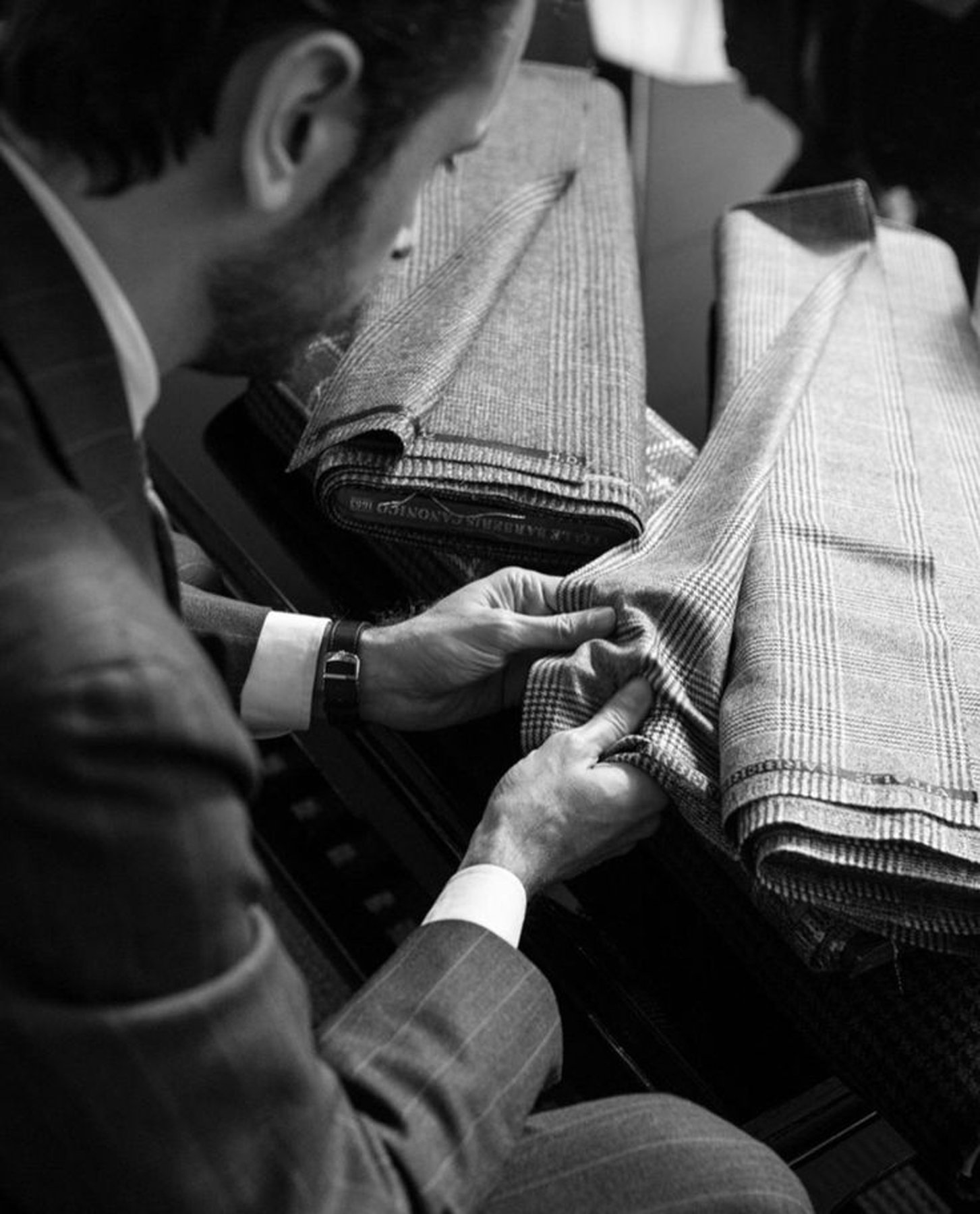
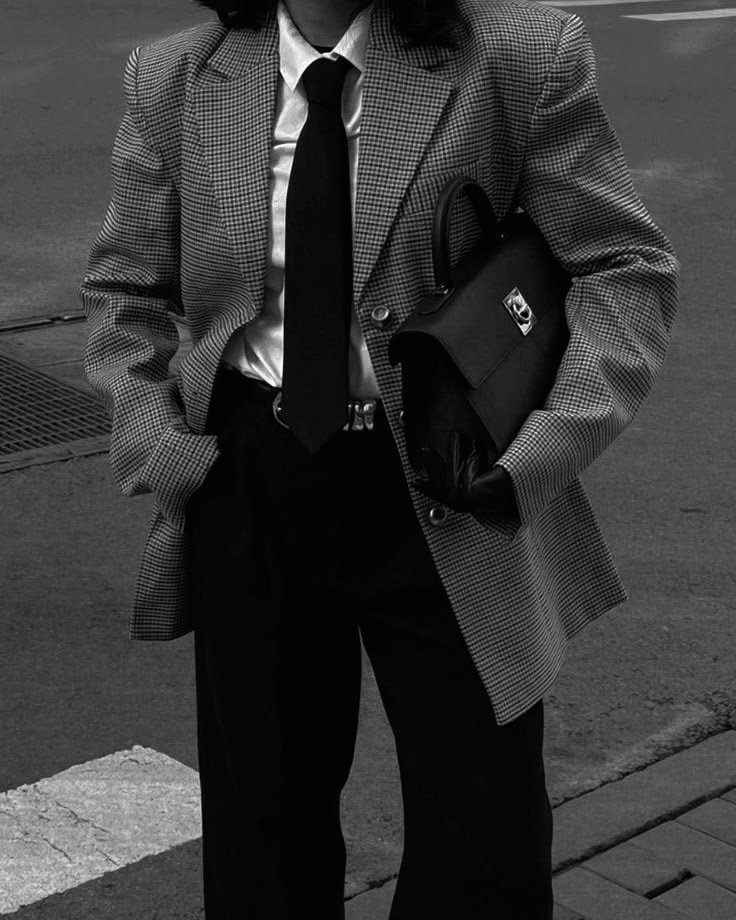
Our practice has quietly developed a shortlist of foundational pieces that translate across registers - pieces that carry more than one context. A bespoke charcoal Zegna or Loro Piana wool suit that reads as considered in the BKC boardroom and as understated at a Christie's evening view. A chikankari kurta from a Lucknow atelier that carries philanthropic events and afternoon lunches. A Payal Khandwala silk drape that carries museum openings. Two Anavila handloom saris - one indigo, one ivory - that hold family functions with grace. An Anamika Khanna cape-drape that carries evening galas. A Sabyasachi archive piece that anchors state events. A single ivory Bottega Veneta pantsuit that crosses everything.
The Accessories Layer
The bag, watch, and jewellery decisions carry more of the register-shifting than the clothes do. A discreet Hermes Kelly 25 in Barenia or Etoupe passes from BKC to the NCPA without objection. A Jaeger-LeCoultre Reverso Duo speaks at the boardroom and at the ballet. Polki in ivory and diamond enters the evening gala. A Cartier Panthere bracelet, inherited or acquired at Place Vendome, sits across all of it. The signalling is in these choices, not in the clothes.
The Photography Consideration
When the camera is present, and for the woman being described, it usually is - wardrobe decisions shift. Colour behaviour under professional lighting; fabric memory across a two-hour dinner; jewellery that reads on camera without reading loud in person; the way a drape falls when she is seated rather than standing. These are considerations most stylists have never had reason to think about; ours is a wardrobe built with the camera anticipated.
Frequently Asked Questions
What does a UHNI woman's working wardrobe include?
It typically spans four to six registers - the boardroom (bespoke suiting, structured shirts, refined shoes), the philanthropic circuit (chikankari kurtas, understated silk drapes, museum-appropriate saris), the media appearance (photography-considered pieces from Sabyasachi or Anamika Khanna), the family function (heirloom-integrated Kanjeevarams and Banarasis), the private social calendar (softer everyday couture from Payal Khandwala or Raw Mango), and the international travel wardrobe. The whole ecosystem is coordinated so pieces translate across registers rather than being trapped in one, and so the woman is dressed correctly for wherever her day takes her.
How do you dress for a day that spans multiple public engagements?
Through anchor pieces that translate. A bespoke charcoal wool suit reads correctly at the BKC boardroom, at lunch with investors, at the philanthropic afternoon, and - with a change of shoes, bag, and jewellery - at the evening gala. The wardrobe is engineered around such translating pieces so that a woman moving across four engagements moves with dignity, not with wardrobe changes in the car. Multiple changes are inefficient, publicly visible, and unnecessary; carefully-built pieces make them redundant. This is architectural work, not stylistic work.
Can bespoke suiting and traditional Indian wear coexist in one wardrobe?
Not only can they - for a UHNI woman with a public calendar, they must. The boardroom needs bespoke suiting; the family sangeet needs a Kanjeevaram; the gallery opening might call for either; the state dinner requires an heirloom. The two languages sit in the same wardrobe, catalogued together, and are drawn on for different registers of her life. A well-managed wardrobe does not privilege one over the other; it respects both fully, and treats a Loro Piana wool suit and a Kanchipuram silk sari as equally serious objects.
What role does jewellery play in the public-calendar wardrobe?
A disproportionate one. Jewellery carries more of the register-shifting than the clothes. A Jaeger-LeCoultre Reverso Duo moves from boardroom to ballet without objection; a Cartier Panthere bracelet crosses every register; a polki set inherited from the family enters only evening galas; a Bulgari Serpenti signals differently than a Van Cleef & Arpels Alhambra. Selecting and rotating jewellery across public engagements - knowing which piece has been photographed with which outfit and when - is one of the quietest and most consequential parts of managing the wardrobe.
How is wardrobe planning different for women in public-facing roles?
It carries three additional considerations most stylists do not address. First, repetition tracking - what has been photographed with what and when, so the same combination does not appear twice in the press within a season. Second, camera-behaviour - how fabrics and colours read under professional lighting versus in person. Third, calendar coordination - pre-viewing what is worn to which event across the whole season so no clash occurs. A private wardrobe can afford spontaneity; a public wardrobe requires quiet choreography behind it.
Do you style women CEOs, philanthropic patrons, and cultural figures?
Yes. Our practice serves women running family businesses across sectors; women chairing foundations and sitting on trustee boards of museums, hospitals, and educational institutions; women who appear in the business, cultural, and lifestyle press regularly; and women who occupy diplomatic or public office. Each has her own register, her own public calendar, and her own image ecosystem - and each requires a wardrobe engineered for that ecosystem rather than for a single occasion or a passing trend. We build for the calendar, not the event.
How do you integrate media and photography considerations into wardrobe planning?
Photography is planned into the wardrobe before the shoot arrives. Colour behaviour under lighting; fabric memory across a two-hour session; jewellery that reads on camera without reading loud in person; drape behaviour when the client is seated versus standing; the visual language of the specific publication - Vogue India versus Forbes India versus Femina versus the international press, all are considered. For clients who appear in the press regularly, we coordinate directly with the shoot team where required, and never send an unrehearsed wardrobe to the camera.
What is the difference between corporate styling and executive wardrobe management?
Corporate styling addresses office dressing and business meetings; executive wardrobe management addresses the woman's entire public and private ecosystem across a year. The former is a segment of the wardrobe; the latter is the whole architecture. For a woman whose calendar crosses boardrooms, philanthropic events, family functions, media, and international travel, corporate styling alone is not sufficient. The wardrobe must be managed at the level of an ecosystem - from purchasing and styling to managing, routine care, refurbishment, and everything around it.
Do you work with women whose calendars include Davos, Cannes Lions, or Aspen Ideas?
Yes. International conference wardrobes are calibrated to context - Davos in January calls for insulated bespoke layers and warmth-first accessories; Cannes Lions in June calls for lighter Cucinelli and Loro Piana pieces suited to the Cote d'Azur; Aspen at altitude requires different fabric decisions again. Sourcing is coordinated locally where sensible; the archive is unified across all of it so nothing is duplicated between the international and domestic wardrobes, and no piece is bought twice for two different climates by accident.
How is the working wardrobe managed across a season of engagements?
Through quarterly editorial reviews and event-by-event planning. Two weeks before a defined event, the archive is consulted, pieces are pulled, coordination with the household team is set, alterations are booked where needed, jewellery is drawn from the safe, and photography considerations are anticipated. Across a season, this rhythm becomes routine - the wardrobe is prepared invisibly, the woman is dressed effortlessly, and the public register is served without visible effort. That effortlessness, when it appears, is the result of considerable preparation behind it.
A private view into new launches, trusted brands, and what’s next.